abdullah693/pakistan-legal-qa-llama70b
Text Generation • Updated • 35
prompt stringlengths 10 20.8k ⌀ | answer stringlengths 2 18.4k | enhanced_prompt stringlengths 14 5.65k | enhanced_completion stringlengths 6 36.3k | reasoning_trace stringlengths 199 78.9k ⌀ | citation listlengths 1 7 ⌀ | completion stringlengths 239 2.38k ⌀ | domain stringclasses 5
values | generation stringclasses 2
values | id stringlengths 12 23 ⌀ | language stringclasses 1
value | reasoning stringlengths 101 954 ⌀ |
|---|---|---|---|---|---|---|---|---|---|---|---|
If I bring a certificate issued by a government officer, will the court assume it is genuine? | Generally yes. Under Article 90(1) of the Qanun-e-Shahadat, the Court shall presume such a government-certified document genuine, provided it is substantially in the form and appears to have been executed in the manner the law requires. | If a certificate issued by a government officer is presented in court, will the court presume it to be genuine? | Generally, yes. Courts apply the "presumption of regularity," a legal doctrine assuming that government officials properly discharge their duties and that documents they issue are genuine. In many jurisdictions, such certificates are classified as "self-authenticating," meaning the party presenting it does not need ext... | The question is straightforward: does a court presume a government-issued certificate is genuine? The short answer is yes, but as any litigator knows, the "yes" comes with significant qualifications. I need to break this down into the general rule, the conditions for the rule to apply, and the exceptions.
First, the g... | [
"QSO art.90",
"QSO art.90(1)"
] | Reasoning: The plain question is whether the court assumes a government certificate is genuine. Article 90(1) says the Court shall presume genuineness, but only if the document is substantially in the legally required form and manner. Applying it, a properly formed certificate is presumed genuine. So the assumption hol... | evidence | synthetic_grounded | evidence-00619 | en | The plain question is whether the court assumes a government certificate is genuine. Article 90(1) says the Court shall presume genuineness, but only if the document is substantially in the legally required form and manner. Applying it, a properly formed certificate is presumed genuine. So the assumption holds when the... |
Can the Governor return a Money Bill to the Provincial Assembly for reconsideration? | No, the Governor cannot return a Money Bill to the Provincial Assembly for reconsideration. | Answer the following legal question with precision, citing relevant constitutional provisions or legal principles where applicable:
Can the Governor return a Money Bill to the Provincial Assembly for reconsideration? | No, the Governor is constitutionally prohibited from returning a Money Bill to the Provincial Assembly for reconsideration.
Under Article 116 of the Constitution of the Islamic Republic of Pakistan, 1973, which governs gubernatorial assent to provincial legislation, the Governor must act within thirty days of a Bill b... | The question asks whether the Governor can return a Money Bill to the Provincial Assembly for reconsideration. This is a specific constitutional law question concerning South Asian parliamentary procedure, specifically within the framework of Pakistan's 1973 Constitution, given the mention of "Provincial Assembly" and ... | [
"CONST art.116"
] | Reasoning: The question is whether the Governor may return a Money Bill to the Provincial Assembly for reconsideration. Article 116 (CONST art.116), on the Governor's assent to Bills, allows the Governor either to assent or to return a Bill with a reconsideration message, but the power to return is confined "in the cas... | constitutional | seed_legaluqa | const-seed-00381 | en | The question is whether the Governor may return a Money Bill to the Provincial Assembly for reconsideration. Article 116 (CONST art.116), on the Governor's assent to Bills, allows the Governor either to assent or to return a Bill with a reconsideration message, but the power to return is confined "in the case of a Bill... |
Until what age can a High Court Judge serve? | A High Court Judge can serve until the age of sixty-two years. | ایک ہائی کورٹ کے جج کی ریٹائرمنٹ کی زیادہ سے زیادہ عمر کیا ہے؟ | پاکستان کے آئین کے آرٹیکل 195 کے مطابق، ہائی کورٹ کے جج کی ریٹائرمنٹ کی زیادہ سے زیادہ عمر 62 سال مقرر کی گئی ہے، جو بھارت کے آئینی فریم ورک میں بھی یکساں ہے۔ تاہم، مختلف ممالک کے قانونی نظام اور آئینی دفعات کے مطابق اس میں تبدیلی ممکن ہے، لہذا متعلقہ دائرہ اختیار کے قوانین کی روشنی میں اس کی تصدیق ضروری ہوتی ہے۔ | The user is asking about the maximum retirement age of a High Court judge. The question is in Urdu, which suggests the context is likely Pakistan or India, as these are the primary jurisdictions where High Courts exist within a Urdu-speaking legal framework and context. I need to draw upon my deep knowledge of constitu... | [
"CONST art.195"
] | Reasoning: The issue is the tenure or retiring age of a High Court Judge. Article 195 (CONST art.195) on Retiring age states that a Judge of a High Court shall hold office until he attains the age of sixty-two years, unless he sooner resigns or is removed in accordance with the Constitution. The words 'until he attains... | constitutional | seed_legaluqa | const-seed-00405 | en | The issue is the tenure or retiring age of a High Court Judge. Article 195 (CONST art.195) on Retiring age states that a Judge of a High Court shall hold office until he attains the age of sixty-two years, unless he sooner resigns or is removed in accordance with the Constitution. The words 'until he attains the age of... |
میرا خیال ہے کہ صدارتی انتخابات میں کچھ بے ضابطگیاں ہوئی ہیں۔ کیا میں اسے عدالت لے جا کر انتخابات کو کالعدم قرار دلوا سکتا ہوں؟ | نہیں۔ آئین کے آرٹیکل 41 کے تحت صدر کے انتخابات کی درستگی کو کسی عدالت یا دیگر اتھارٹی کے سامنے چیلنج نہیں کیا جا سکتا۔ | میرے خیال کے مطابق صدارتی انتخابات میں کچھ بے ضابطگیاں ہوئی ہیں۔ براہ کرم درج ذیل سوالات کا تفصیلی اور قانونی تجزیہ فراہم کریں:
1. **قانونی امکان**: کیا موجودہ قانونی نظام کے تحت انتخابات کو عدالت کے ذریعے کالعدم قرار دلوانا ممکن ہے؟
2. **ثبوت کی ضرورت**: اس دعویٰ کو ثابت کرنے کے لیے کن قسم کے ٹھوس ثبوت یا شواہد (Evid... | صدارتی انتخابات میں مبینہ بے ضابطگیوں کا معاملہ انتہائی حساس اور پیچیدہ قانونی نوعیت کا حامل ہے۔ انتخابی عمل کی شفافیت جمہوریت کی بنیاد ہے، لیکن قانون نے ان تنازعات کے حل کے لیے مخصوص اور سخت شرائط طے کی ہیں۔ ذیل میں آپ کے سوالات کا تفصیلی اور قانونی تجزیہ پیش کیا جا رہا ہے۔
**ضروری نوٹ:** *یہ تجزیہ صرف معلوماتی اور ت... | صدارتی انتخابات میں بے ضابطگیوں کا دعویٰ... یہ ایک انتہائی نازک اور قانونی طور پر پیچیدہ معاملہ ہے۔ پہلے تو یہ واضح کرنا ضروری ہے کہ میں کوئی قانونی مشورہ نہیں دے رہا، یہ صرف قانونی تجزیہ ہوگا۔ اب سوالات کا جائزہ لیتے ہیں:
پہلا سوال: کیا عدالت کے ذریعے انتخابات کو کالعدم دلوانا ممکن ہے؟ نظریاتی طور پر تو ممکن ہے، لیکن... | [
"CONST art.41"
] | Reasoning: The litigant wishes to challenge a presidential election's validity in court. Article 41 governs this and states that the validity of the President's election shall not be called in question by or before any court or other authority. Applying that bar, the contemplated court challenge cannot be entertained.
... | constitutional | synthetic_grounded | constitutional-00961 | en | The litigant wishes to challenge a presidential election's validity in court. Article 41 governs this and states that the validity of the President's election shall not be called in question by or before any court or other authority. Applying that bar, the contemplated court challenge cannot be entertained. |
My client's case is that a man deceitfully made her believe she was lawfully married to him and induced her to cohabit, having gone through a sham ceremony he knew gave no lawful marriage. Should this be framed under s.493 or s.496, and how do they differ in severity? | Both can be framed, and they differ sharply in severity. Section 493 punishes every man who deceitfully causes a woman not lawfully married to him to believe that she is lawfully married to him and to cohabit with him in that belief — with rigorous imprisonment up to twenty-five years plus fine. That fits your client's... | # Legal Analysis Request: Fraudulent Marriage and Cohabitation
## Case Facts
A man deceitfully made a woman believe she was lawfully married to him and induced her to cohabit. He conducted a sham ceremony that he knew conferred no lawful marriage status.
## Task
Please provide a legal analysis addressing the followin... | ### 1. Statutory Classification
This case should be primarily framed under **Section 493**.
While the man's conduct involves a sham ceremony (which touches upon Section 496), the gravamen of the offense lies in the deceitful inducement of a belief of lawful marriage specifically to facilitate cohabitation. Section 49... | Alright, let me break down this legal problem. The facts present a classic scenario of marital deceit: a man conducts a sham ceremony, knows it's legally void, and uses that deception to induce the woman to cohabit with him under the belief that they are lawfully married.
First, I need to determine the statutory class... | [
"PPC s.493",
"PPC s.496"
] | Reasoning: Step 1 (s.493): deceitfully inducing a woman to believe she is lawfully married and to cohabit in that belief is punishable with rigorous imprisonment up to twenty-five years plus fine — matches the inducement-plus-cohabitation facts. Step 2 (s.496): going through a marriage ceremony dishonestly, knowing it ... | criminal | synthetic_grounded | criminal-m-00196 | en | Step 1 (s.493): deceitfully inducing a woman to believe she is lawfully married and to cohabit in that belief is punishable with rigorous imprisonment up to twenty-five years plus fine — matches the inducement-plus-cohabitation facts. Step 2 (s.496): going through a marriage ceremony dishonestly, knowing it is not a la... |
What additional condition, beyond dishonest misappropriation, must be satisfied for liability under PPC s.404? | Under PPC s.404, beyond dishonest misappropriation, the offender must know that the property was in the possession of a deceased person at the time of that person's death and that it has not since been in the possession of any person legally entitled to such possession. Only then does the section apply, with up to thre... | Identify the specific additional condition, beyond dishonest misappropriation, that must be satisfied to establish criminal liability under Section 404 of the Pakistan Penal Code (PPC). | Under Section 404 of the Pakistan Penal Code (PPC), which specifically addresses the dishonest misappropriation of property possessed by a deceased person at the time of their death, the additional condition that must be satisfied—beyond the act of dishonest misappropriation—is that **the property must not have since b... | The prompt is asking about Section 404 of the Pakistan Penal Code (PPC) and wants to know the specific additional condition required for criminal liability, beyond just dishonest misappropriation.
Let me break this down. Section 403 PPC establishes the offense of criminal misappropriation. The core of that offense is... | [
"PPC s.404"
] | Reasoning: The conceptual issue is the extra factual element distinguishing s.404 from ordinary misappropriation. PPC s.404 requires knowledge that the property was in a deceased's possession at death and that no legally entitled person has since possessed it. Identifying this knowledge-and-possession condition answers... | criminal | synthetic_grounded | criminal-01326 | en | The conceptual issue is the extra factual element distinguishing s.404 from ordinary misappropriation. PPC s.404 requires knowledge that the property was in a deceased's possession at death and that no legally entitled person has since possessed it. Identifying this knowledge-and-possession condition answers the questi... |
How does Article 153 secure parliamentary accountability of the Council of Common Interests? | Article 153(4) provides that the Council shall be responsible to Majlis-e-Shoora (Parliament) and shall submit an Annual Report to both Houses of Parliament, thereby securing its parliamentary accountability. | Analyze Article 153 of the Constitution of Pakistan to explain how it secures the parliamentary accountability of the Council of Common Interests (CCI). In your response:
1. **Define Key Terms**: Briefly define the 'Council of Common Interests (CCI)' and the concept of 'parliamentary accountability' within this specif... | ### 1. Define Key Terms
**Council of Common Interests (CCI)**
The Council of Common Interests is a constitutional body established under Part V of the Constitution of the Islamic Republic of Pakistan (1973). It serves as the primary forum for policy formulation, coordination, and dispute resolution between the Federat... | Alright, I need to analyze Article 153 of the Constitution of Pakistan regarding the parliamentary accountability of the Council of Common Interests (CCI). The prompt asks for three specific things: defining key terms (CCI and parliamentary accountability in this context), analyzing the mechanisms within Article 153 th... | [
"CONST art.153"
] | Reasoning: The issue is the accountability mechanism. Article 153(4) makes the Council responsible to Parliament and mandates an Annual Report to both Houses. Applying the text, accountability is achieved through responsibility plus annual reporting. That is the mechanism.
Answer: Article 153(4) provides that the Counc... | constitutional | synthetic_grounded | constitutional-00242 | en | The issue is the accountability mechanism. Article 153(4) makes the Council responsible to Parliament and mandates an Annual Report to both Houses. Applying the text, accountability is achieved through responsibility plus annual reporting. That is the mechanism. |
State the directive in Article 39 concerning the geographic breadth of participation in the Armed Forces. | Article 39 directs that the State shall enable people from all parts of Pakistan to participate in the Armed Forces of Pakistan. | آرٹیکل 39 میں درج اس ہدایت کی وضاحت کریں جو مسلح افواج میں شمولیت کے جغرافیائی دائرہ کار سے متعلق ہے۔ | یونیفارم کوڈ آف ملٹری جسٹس (UCMJ) کے آرٹیکل 39 کا قانونی تجزیہ واضح کرتا ہے کہ اس شق میں مسلح افواج میں شمولیت یا بھرتی کے جغرافیائی دائرہ کار سے متعلق کوئی ہدایت درج نہیں ہے۔ درحقیقت، آرٹیکل 39 کا تعلق بنیادی طور پر کورٹ مارشل کے اجلاسوں، عدالتی کارروائی کے طریقہ کار، اور ان میں موجودگی کے ضوابط سے ہے۔ یہ طے کرتا ہے ک... | سوال کا بغور جائزہ لیتا ہوں: آرٹیکل 39 میں درج اس ہدایت کی وضاحت کرنی ہے جو مسلح افواج میں شمولیت کے جغرافیائی دائرہ کار سے متعلق ہے۔
سب سے پہلے، مجھے یونیفارم کوڈ آف ملٹری جسٹس (UCMJ) کے آرٹیکل 39 کو اپنی یادداشت میں تازہ کرنا ہے۔ آرٹیکل 39... وہ کیا ہے؟ آرٹیکل 39 کا تعلق تو کورٹ مارشل کے اجلاسوں (sessions) سے ہے۔ ی... | [
"CONST art.39"
] | Reasoning: The question asks for the geographic-breadth directive in Article 39. The provision states the State shall enable people from all parts of Pakistan to participate. The emphasis on all parts of the country is the directive the question seeks.
Answer: Article 39 directs that the State shall enable people from ... | constitutional | synthetic_grounded | constitutional-00950 | en | The question asks for the geographic-breadth directive in Article 39. The provision states the State shall enable people from all parts of Pakistan to participate. The emphasis on all parts of the country is the directive the question seeks. |
ڈکیتی کے دوران، گینگ کے ایک رکن نے میرے رشتہ دار کو قتل کر دیا۔ کیا صرف قاتل کو ہی سزا دی جائے گی یا پورے گینگ کو قتل کے جرم میں سزا دی جا سکتی ہے؟ | تعزیراتِ ہند کی شق 396 کے تحت، اگر پانچ یا اس سے زائد افراد مل کر ڈکیتی کرتے ہوئے قتل کا ارتکاب کریں، تو ان میں سے ہر ایک کو سزائے موت، عمر قید، یا چار سے دس سال تک کی سخت قید اور جرمانے کی سزا دی جا سکتی ہے۔ لہٰذا، اس شق کے تحت آپ کے رشتہ دار کے قاتل کے علاوہ گینگ کے تمام ارکان کو بھی یہ سزائیں ہو سکتی ہیں۔ | آپ ایک قانونی ماہر ہیں جو پاکستانی فوجداری قانون (Pakistan Penal Code) کے تحت مشورہ دیتے ہیں۔ براہ کرم درج ذیل صورتحال کا تجزیہ کرتے ہوئے واضح اور تفصیلی جواب دیں:
**صورتحال:**
"ڈکیتی کے دوران، گینگ کے ایک رکن نے میرے رشتہ دار کو قتل کر دیا۔"
**سوال:**
کیا اس جرم میں صرف اصل قاتل کو ہی سزا دی جائے گی، یا مشترکہ مجرما... | آپ کے سوال کا واضح جواب یہ ہے کہ پاکستانی فوجداری قانون کے تحت اس جرم میں صرف اصل قاتل ہی نہیں بلکہ پورے گینگ کے دیگر ارکان کو بھی قتل کے جرم میں سزا دی جا سکتی ہے۔ قانون میں اسے "مشترکہ ذمہ داری" کہا جاتا ہے، جس کی دو اہم قانونی شقیں نیچے بیان کی گئی ہیں:
**1. متعلقہ قانونی شقیں:**
* **شق 396 (ڈکیتی کے ساتھ قتل):*... | صورتحال کا تجزیہ شروع کرتے ہیں۔ سوال یہ ہے کہ ڈکیتی کے دوران اگر گینگ کے ایک رکن نے قتل کر دیا، تو کیا صرف اصل قاتل کو سزا ملے گی یا پورے گینگ کو؟ یہ پاکستانی فوجداری قانون کا ایک کلاسک سوال ہے جو مشترکہ ذمہ داری (Joint Liability) سے متعلق ہے۔ میرے دو دہائیوں کے عدالتی تجربے میں ایسے کیسز کثرت سے آتے ہیں، خاص طور پر لا... | [
"PPC s.396"
] | Reasoning: The litigant asks whether the whole gang is liable when one member kills during a dacoity. PPC s.396 imposes the penalty on every one of the five or more conjoint participants where any one commits murder. Applying it, all gang members face the death, life, or four-to-ten-year punishment.
Answer: Under PPC s... | criminal | synthetic_grounded | criminal-01285 | en | The litigant asks whether the whole gang is liable when one member kills during a dacoity. PPC s.396 imposes the penalty on every one of the five or more conjoint participants where any one commits murder. Applying it, all gang members face the death, life, or four-to-ten-year punishment. |
How many seats are there in the National Assembly of Pakistan? | There are three hundred and thirty-six seats for members in the National Assembly, including seats reserved for women and non-Muslims. | What is the total number of seats in the National Assembly of Pakistan? | The National Assembly of Pakistan consists of a total of 336 seats, as established under Article 51 of the Constitution. This composition includes 266 general seats filled through direct elections via single-member constituencies, 60 seats reserved for women, and 10 seats reserved for non-Muslim minorities. Both the wo... | The user is asking for the total number of seats in the National Assembly of Pakistan. As an expert in this area, I know this requires more than just reciting a number; it requires explaining the composition and the constitutional basis, especially since the number has changed recently.
First, I need to recall the cur... | [
"CONST art.51"
] | Reasoning: The question asks the number of seats in the National Assembly. Article 51 clause (1) states that 'There shall be three hundred and thirty-six seats for members in the National Assembly, including seats reserved for women and non-Muslims.' Reading that figure, which the footnote shows was substituted for the... | constitutional | seed_legaluqa | const-seed-00296 | en | The question asks the number of seats in the National Assembly. Article 51 clause (1) states that 'There shall be three hundred and thirty-six seats for members in the National Assembly, including seats reserved for women and non-Muslims.' Reading that figure, which the footnote shows was substituted for the earlier nu... |
میرے گھر میں چوری کی واردات کے دوران، چور نے میرے بھائی کو زخمی کر دیا۔ کیا قانون کے تحت گھر میں چوری کی سزا کے علاوہ زخمی کرنے پر الگ سے سزا بھی دی جاتی ہے؟ | جی ہاں۔ پاکستان پینل کوڈ (PPC) کی شق 459 کے تحت، جو شخص چھپ کر گھر میں گھسنے یا گھر توڑنے کا ارتکاب کرتے ہوئے کسی شخص کو زخمی کرتا ہے، اسے عمر قید یا دس سال تک کی سزا (کسی بھی قسم کی) دی جائے گی، اور ساتھ ہی کوڈ کے باب 16 میں زخمی کرنے کے لیے مقرر کردہ الگ سزا کا بھی پابند ہوگا۔ لہذا، آپ کے بھائی کو زخمی کرنے پر شق 459... | # قانونی رہنمائی: گھر میں چوری اور زخمی کرنے کی سزا
## پس منظر
میرے گھر میں چوری کی واردات کے دوران، چور نے میرے بھائی کو زخمی کر دیا۔
## سوال
کیا قانون کے تحت گھر میں چوری کی سزا کے علاوہ زخمی کرنے پر الگ سے سزا بھی دی جاتی ہے؟
## ہدایات برائے جواب
براہ کرم درج ذیل نکات کو مدنظر رکھتے ہوئے ایک واضح اور تفصیلی جواب ... | آپ کے سوال کا تفصیلی اور قانونی جواب درج ذیل ہے:
**1. قانونی موقف: کیا یہ دو الگ جرائم ہیں؟**
قانون کی نظر میں گھر میں چوری کرنا اور کسی شخص کو زخمی کرنا دو بالکل الگ الگ جرائم مانے جاتے ہیں۔ اگرچہ یہ دونوں واقعات ایک ہی وقت اور جگہ پیش آئے ہوں، لیکن ان کی نوعیت مختلف ہے۔ چوری ایک 'جائیداد کے خلاف جرم' (Property Crime... | مجھے اس سوال کا جواب دینا ہے جس میں ایک شخص پوچھ رہا ہے کہ اگر چور اس کے گھر میں چوری کے دوران اس کے بھائی کو زخمی کر دے، تو کیا زخمی کرنے کی سزا چوری کی سزا سے الگ ہوگی؟ ٹھیک ہے، مجھے اسے قانونی طور پر توڑنا ہوگا، لیکن سادہ اردو میں تاکہ ایک عام آدمی بھی سمجھ سکے۔
سب سے پہلے، میں بنیادی قانونی موقف پر غورتا ہوں۔ کیا ... | [
"PPC s.459"
] | Reasoning: The litigant asks whether injury during a break-in adds punishment. PPC s.459 imposes life or up to ten years and also makes the offender liable to the Chapter XVI punishment for causing hurt. Applying this to the facts, both punishments attach. Hence the answer confirms the additional liability.
Answer: Yes... | criminal | synthetic_grounded | criminal-01565 | en | The litigant asks whether injury during a break-in adds punishment. PPC s.459 imposes life or up to ten years and also makes the offender liable to the Chapter XVI punishment for causing hurt. Applying this to the facts, both punishments attach. Hence the answer confirms the additional liability. |
کسی شخص کو میرے خلاف دستاویز جعل سازی کرنے پر جعل سازی کا مجرم ٹھہرایا گیا ہے۔ عدالت جعل سازی کے جرم پر کیا سزا دے سکتی ہے؟ | تعزیراتِ پاکستان کی دفعہ 465 کے تحت، جو کوئی جعل سازی کرے گا اسے دو سال تک کی قید، یا جرمانہ، یا دونوں سزا ہو سکتی ہے۔ لہذا، محض جعل سازی کے جرم پر عدالت دو سال تک کی قید، یا جرمانہ، یا دونوں سزا دے سکتی ہے۔ | عدالت نے ایک شخص کو میرے خلاف دستاویزات میں جعل سازی ( Forgery ) کا مجرم قرار دیا ہے۔ براہ کرم وضاحت کریں کہ قانون کے تحت جعل سازی کے اس جرم پر عدالت کیا سزا تجویز کر سکتی ہے؟ | تعزیراتِ پاکستان (پاکستان پینل کوڈ 1860) کے تحت جعل سازی (Forgery) ایک سنگین جرم ہے اور اس کی سزا اس بات پر منحصر ہے کہ کس قسم کی دستاویز میں جعل سازی کی گئی ہے اور اس کا مقصد کیا تھا۔ چونکہ عدالت نے ملزم کو مجرم قرار دے دیا ہے، اب سزا کے تعین کا مرحلہ ہے۔ عدالت درج ذیل قانونی دفعات کے تحت سزا تجویز کر سکتی ہے:
1. **د... | عدالت نے ملزم کو جعل سازی کا مجرم قرار دے دیا ہے، تو اب سوال یہ ہے کہ قانون کے تحت اس جرم کی کیا سزا ہو سکتی ہے۔ تعزیراتِ پاکستان (پاکستان پینل کوڈ 1860) میں جعل سازی کے جرائم کی تفصیلات اور سزائیں درج ہیں۔ مجھے اسے واضح اور منظم انداز میں بیان کرنا ہوگا تاکہ سائل کو مکمل قانونی صورت حال سمجھ آئے۔
سب سے پہلے میں پی سی... | [
"PPC s.465"
] | Reasoning: The litigant asks the punishment for forgery. PPC s.465 prescribes imprisonment up to two years, or fine, or both. Applying this, the court may impose up to two years, a fine, or both. Hence the answer states the range.
Answer: Under PPC s.465, whoever commits forgery shall be punished with imprisonment of e... | criminal | synthetic_grounded | criminal-01593 | en | The litigant asks the punishment for forgery. PPC s.465 prescribes imprisonment up to two years, or fine, or both. Applying this, the court may impose up to two years, a fine, or both. Hence the answer states the range. |
At what age must a Supreme Court Judge in Pakistan retire? | Under Article 179, a Judge of the Supreme Court holds office until he attains the age of sixty-five years, so sixty-five is the retiring age, unless he resigns or is removed earlier. | پاکستان کے سپریم کورٹ کے جج کی ریٹائرمنٹ کی لازمی عمر کیا ہے؟ | پاکستان کے آئین 1973ء کے آرٹیکل 179 کے مطابق، سپریم کورٹ کے جج کی ریٹائرمنٹ کی لازمی عمر 65 سال ہے، جبکہ وہ اس عہدے پر اس وقت تک فائز رہتا ہے جب تک کہ وہ اس عمر کو پہنچ نہ جائے، استعفیٰ نہ دے یا اسے پہلے ہی برطرف نہ کر دیا جائے۔ | The user is asking about the mandatory retirement age of a Supreme Court judge in Pakistan. This is a straightforward constitutional law question. I need to recall the relevant constitutional provision.
Under the Constitution of Pakistan 1973, the terms and conditions for the Supreme Court are outlined in Part VII (Th... | [
"CONST art.179"
] | Reasoning: The question is the mandatory retiring age. Article 179 fixes it at sixty-five years. So a Supreme Court Judge retires at sixty-five absent earlier resignation or removal.
Answer: Under Article 179, a Judge of the Supreme Court holds office until he attains the age of sixty-five years, so sixty-five is the r... | constitutional | synthetic_grounded | constitutional-00361 | en | The question is the mandatory retiring age. Article 179 fixes it at sixty-five years. So a Supreme Court Judge retires at sixty-five absent earlier resignation or removal. |
Under QSO art.140, distinguish cross-examining a witness about a prior writing from contradicting him by it. | Per QSO art.140, a witness may be cross-examined about previous written statements relevant to the matters in question without the writing being shown to him or proved. To contradict him by the writing, however, his attention must first be called to the specific parts to be used for contradiction before the writing can... | Under Section 140 of the Queensland Securities Offences (QSO) Act, clearly distinguish between the legal procedures and implications of:
1. **Cross-examining a witness about a prior writing**: Questioning a witness regarding a document they previously authored or signed to test their credibility or memory.
2. **Contra... | It is imperative to first clarify a jurisdictional and statutory misconception within the query. There is no legislation titled the "Queensland Securities Offences (QSO) Act." The legal principles described, specifically regarding Section 140 and the acronym "QSO," align precisely with the **Qanun-e-Shahadat Order, 198... | The prompt asks me to distinguish between cross-examining a witness about a prior writing and contradicting a witness by a prior writing, specifically under "Section 140 of the Queensland Securities Offences (QSO) Act."
Wait a minute. "Queensland Securities Offences (QSO) Act"? That immediately sets off alarm bells. ... | [
"QSO art.140"
] | Reasoning: The exam point distinguishes mere cross-examination from contradiction by writing. QSO art.140 permits the former without showing the writing, but conditions the latter on first drawing attention to the relevant parts. So contradiction carries an extra procedural requirement.
Answer: Per QSO art.140, a witne... | evidence | synthetic_grounded | evidence-00186 | en | The exam point distinguishes mere cross-examination from contradiction by writing. QSO art.140 permits the former without showing the writing, but conditions the latter on first drawing attention to the relevant parts. So contradiction carries an extra procedural requirement. |
If a child is born while a couple is validly married, is the law clear that the child is legitimately the husband's? | Under QSO art.128(1), a child born during a valid marriage within the law's timing rules is treated as conclusive proof of being the husband's legitimate child, unless the husband refuses to own the child or the other listed exception applies. | # قانونی سوال: شادی شدہ جوڑے کے ہاں پیدا ہونے والے بچے کی نسبیت
براہ کرم درج ذیل قانونی سوال کا واضح اور مستند جواب دیں:
"کیا یہ قانونی طور پر واضح ہے کہ اگر کوئی بچہ کسی ایسے جوڑے کے ہاں پیدا ہو جو قانونی طور پر شادی شدہ ہو، تو وہ بچہ شرعی اور قانونی اعتبار سے شوہر کی اولاد مانا جاتا ہے؟"
اپنے جواب میں:
1. عمومی قا... | جی ہاں، یہ اصول قانونی اور شرعی دونوں اعتبار سے انتہائی واضح اور مستحکم ہے۔
1. **عمومی قانونی اصول (Presumption of Legitimacy):**
قانونی اور فقہی اصطلاح میں اسے "فرضِ صداقتِ نسب" یا "الولد للفراش" کہا جاتا ہے۔ اس اصول کے مطابق، اگر کوئی بچہ قانونی طور پر شادی شدہ جوڑے کے ہاں پیدا ہو، یا شادی کے بعد ایسے عرصے میں پیدا ... | The user is asking a legal question in Urdu about the legitimacy of a child born to a married couple, specifically from both statutory and Islamic (شرعی) perspectives. I need to break this down carefully, drawing on my decades of experience with family law, paternity statutes, and the intersection of common law presump... | [
"QSO art.128"
] | Reasoning: The plain question is whether birth in marriage settles legitimacy. QSO art.128(1) makes it conclusive subject to two exceptions. So it is conclusive unless an exception applies.
Answer: Under QSO art.128(1), a child born during a valid marriage within the law's timing rules is treated as conclusive proof of... | evidence | synthetic_grounded | evidence-00131 | en | The plain question is whether birth in marriage settles legitimacy. QSO art.128(1) makes it conclusive subject to two exceptions. So it is conclusive unless an exception applies. |
Under PPC s.302, when is the ta'zir punishment in clause (b) applicable rather than qisas under clause (a)? | Under PPC s.302(b), the punishment of death or imprisonment for life as ta'zir, having regard to the facts and circumstances of the case, applies where the proof in either of the forms specified in Section 304 is not available. By contrast, clause (a) prescribes death as qisas. Thus clause (b) operates as the ta'zir al... | # قانونی تجزیہ: پاکستان پینل کوڈ (PPC) کی شق 302
## پس منظر اور اصطلاحات کی تعریف
پاکستان پینل کوڈ (PPC) کی شق 302 قتل کی سزاؤں سے متعلق ہے۔ اس شق کے تحت دو اہم قسم کی سزائیں مقرر کی گئی ہیں:
- **قصاص (Clause a):** یہ "آنکھ کے بدلے آنکھ" کے اصول پر مبنی سزا ہے، جس میں مجرم کو وہی سزا دی جاتی ہے جو اس نے متاثرہ کو پہنچ... | پاکستان پینل کوڈ (PPC) کی شق 302 کے تحت قتلِ عمد (Qatl-i-Amd) کی سزا کے تعین میں قصاص اور تعزیر کے درمیان تمیز انتہائی باریک قانونی اور شرعی پہلوؤں کا تقاضا کرتی ہے۔ شق 302(a) کے تحت قصاص (سزائے موت بطور حقِ ولی) کا نفاذ خودکار نہیں ہوتا، بلکہ یہ سخت شرعی اور قانونی شرائط سے مشروط ہے۔ جب یہ شرائط پوری نہ ہوں، تو عدالت ... | سوال بہت ہی اہم اور قانونی لحاظ سے گہرائی کا حامل ہے۔ پاکستان پینل کوڈ کی شق 302 کے تحت قصاص اور تعزیر کے درمیان فرق اور یہ کہ کب قصاص کے بجائے تعزیر لاگو ہوتی ہے، یہ میرے میدانِ قانون میں دو دہائیوں سے زیادہ تجربے کا سب سے اہم اور بنیادی پہلو رہا ہے۔ عدالتوں میں جج اور وکلاء سب سے زیادہ اسی نکتے پر الجھتے ہیں۔ مجھے اس... | [
"PPC s.302",
"PPC s.302(b)"
] | Reasoning: The question asks when clause (b) ta'zir applies instead of qisas. The text makes clause (b) available where the proof in the forms specified in Section 304 is not available. Therefore the absence of the Section 304 proof shifts punishment from qisas under (a) to ta'zir under (b).
Answer: Under PPC s.302(b),... | criminal | synthetic_grounded | criminal-00878 | en | The question asks when clause (b) ta'zir applies instead of qisas. The text makes clause (b) available where the proof in the forms specified in Section 304 is not available. Therefore the absence of the Section 304 proof shifts punishment from qisas under (a) to ta'zir under (b). |
Under Article 159, who decides whether the Federal Government's refusal to entrust broadcasting functions is unreasonable? | Under Article 159, if a question arises whether any refusal by the Federal Government to entrust functions is unreasonable (or whether imposed conditions are lawfully imposed), the question is determined by an arbitrator appointed by the Chief Justice of Pakistan. | آرٹیکل 159 کے تحت، یہ تعین کون کرتا ہے کہ وفاقی حکومت کی نشریاتی فنکشنز سونپنے سے انکار غیر معقول ہے یا نہیں؟ | آئین کے آرٹیکل 159 کے تحت، اگر وفاقی حکومت نشریاتی فنکشنز کی منتقلی سے انکار کرتی ہے، تو اس انکار کے غیر معقول ہونے کا حتمی تعین **چیف جسٹس آف پاکستان کے مقرر کردہ ثالث (Arbitrator)** کرتا ہے۔
اس قانونی عمل کی تفصیل درج ذیل ہے:
1. **ثالث کا کردار:** آرٹیکل 159 کی مخصوص دفعات کے تحت، اگر یہ سوال پیدا ہو کہ وفاقی حکومت... | سوال پاکستان کے آئین کے آرٹیکل 159 سے متعلق ہے اور یہ پوچھ رہا ہے کہ اگر وفاقی حکومت نشریاتی فنکشنز کی منتقلی سے انکار کرے، تو یہ تعین کون کرے گا کہ یہ انکار غیر معقول (unreasonable) ہے یا نہیں۔
آرٹیکل 159 آئین پاکستان کا ایک اہم حصہ ہے جو وفاقی حکومت اور صوبائی حکومتوں کے درمیان نشریات (broadcasting) کے معاملات کو ре... | [
"CONST art.159"
] | Reasoning: The issue is the adjudicator of reasonableness of refusal. Article 159 assigns such questions to an arbitrator appointed by the Chief Justice of Pakistan. Applying the text, that arbitrator decides. The conclusion identifies the decision-maker.
Answer: Under Article 159, if a question arises whether any refu... | constitutional | synthetic_grounded | constitutional-00266 | en | The issue is the adjudicator of reasonableness of refusal. Article 159 assigns such questions to an arbitrator appointed by the Chief Justice of Pakistan. Applying the text, that arbitrator decides. The conclusion identifies the decision-maker. |
What three components must combine for liability under the first part of PPC s.176? | Under the first part of PPC s.176, liability requires that the accused (1) be legally bound to give notice or furnish information to a public servant as such, (2) intentionally omit to do so, and (3) in the manner and at the time required by law. | پی پی سی (Pakistan Penal Code) کی شق 176 کے پہلے حصے کے تحت قانونی ذمہ داری ثابت کرنے کے لیے کن تین اجزاء کا باہمی ملنا ضروری ہے؟ | پاکستان پینل کوڈ کی شق 176 کے پہلے حصے کے تحت قانونی ذمہ داری ثابت کرنے کے لیے درج ذیل تین بنیادی اجزاء کا باہمی ملاپ ناگزیر ہے:
1۔ **قانونی پابندی کا وجود:** سب سے پہلے یہ ثابت ہونا ضروری ہے کہ ملزم پر کسی خاص معاملے کے حوالے سے کسی عوامی ملازم کو اطلاع دینے یا معلومات فراہم کرنے کی کوئی قانونی پابندی عائد تھی۔ یہ ذم... | The prompt is asking about the three essential components needed to establish legal liability under the first part of Section 176 of the Pakistan Penal Code (PPC). I need to analyze this from a deep statutory interpretation and liability principles perspective, breaking down the required *mens rea* and *actus reus* ele... | [
"PPC s.176"
] | Reasoning: The conceptual task is to break down the s.176 actus reus. The text specifies a legal duty to give notice/information to a public servant, an intentional omission, and the manner and time required by law. These three components combine to form the offence under the provision.
Answer: Under the first part of ... | criminal | synthetic_grounded | criminal-00330 | en | The conceptual task is to break down the s.176 actus reus. The text specifies a legal duty to give notice/information to a public servant, an intentional omission, and the manner and time required by law. These three components combine to form the offence under the provision. |
Is it a crime to offer someone money so they will hide a crime or not pursue an offender? | Yes. Under PPC s.214, giving, offering, or agreeing to give money or property to someone so they will hide a crime, shield an offender, or not pursue them is a crime, punishable according to how serious the underlying crime is; but the provision says this does not apply where the offence can lawfully be settled (compou... | Is it a crime to offer someone money in exchange for hiding a crime or failing to pursue an offender? | Yes, unequivocally. Offering money in exchange for concealing a criminal offense or refraining from pursuing an offender constitutes a serious crime in virtually every jurisdiction. This conduct is typically prosecuted under several distinct legal theories:
First, this is often classified as **compounding a crime**, w... | Yes, absolutely. This is a straightforward legal question, but people misunderstand it all the time. Let me break down exactly why this is illegal and how prosecutors will tear this apart.
First, the core concept: **compounding a crime**. This is the specific statutory framework for exactly what's being described—agre... | [
"PPC s.214"
] | Reasoning: The concern is whether offering a bribe to hide a crime is illegal. Section 214 punishes giving or offering gratification to screen an offence, except for lawfully compoundable offences. Applying it, such an offer is generally a crime. So it is punishable under s.214 unless the compounding exception applies.... | criminal | synthetic_grounded | criminal-00499 | en | The concern is whether offering a bribe to hide a crime is illegal. Section 214 punishes giving or offering gratification to screen an offence, except for lawfully compoundable offences. Applying it, such an offer is generally a crime. So it is punishable under s.214 unless the compounding exception applies. |
قانون کے مطابق اگر کوئی پولیس افسر فساد ختم کرنے کی کوشش کر رہا ہو تو اسے روکنے یا دھمکی دینے کے بارے میں کیا حکم ہے؟ | پی پی سی کی شق 152 کے تحت، اگر کوئی شخص کسی سرکاری ملازم پر حملہ کرے، اسے دھمکی دے یا اس کا راستہ روکے جو کہ اپنے فرائض کی انجام دہی میں غیر قانونی ہجوم کو منتشر کر رہا ہو یا فساد یا جھگڑا روک رہا ہو، تو اسے تین سال تک کی قید، جرمانہ، یا دونوں سزا ہو سکتی ہے۔ | قانونی نقطہ نظر سے درج ذیل سوال کا واضح اور تفصیلی جواب دیں:
اگر کوئی پولیس افسر فساد ختم کرنے کی کوشش کر رہا ہو، تو اسے روکنے یا دھمکی دینے کے بارے میں قانونی حکم کیا ہے؟
براہ کرم اپنے جواب میں مندرجہ ذیل نکات شامل کریں:
1. متعلقہ قانونی شقوں یا دفعات کا حوالہ دیں۔
2. ایسے اعمال کرنے والے افراد کے لیے ممکنہ سزاؤں یا... | قانونی نقطہ نظر سے، کسی پولیس افسر کو فساد ختم کرنے یا امن و امان کی بحالی کے فرائض سرانجام دینے سے روکنے، مداخلت کرنا یا دھمکی دینا ایک سنگین مجرمانہ عمل ہے جسے ریاستی رٹ اور عوامی امن کے خلاف براہ راست چیلنج سمجھا جاتا ہے۔ پاکستان کے قانونی نظام میں ایسے اقدامات کی سخت ممانعت ہے اور اس کے لیے واضح دفعات مقرر کی گئی ہ... | سوال کا بغور جائزہ لیتا ہوں۔ مجھ سے پوچھا گیا ہے کہ اگر کوئی پولیس افسر فساد ختم کرنے کی کوشش کر رہا ہو تو اسے روکنے یا دھمکی دینے کے بارے میں قانونی حکم کیا ہے۔ سوال میں تین مخصوص نکات کا احاطہ کرنا ضروری ہے: متعلقہ قانونی شقیں، ممکنہ سزائیں، اور پولیس افسر کے اختیارات اور شہریوں کی ذمہ داریوں کا جائزہ۔ چونکہ یہ پاکست... | [
"PPC s.152"
] | Reasoning: The plain question concerns interfering with an officer suppressing a riot. PPC s.152 punishes assaulting, threatening, obstructing, or using force against such a public servant with up to three years. In simple terms, getting in the way of or threatening that officer can mean up to three years in jail, a fi... | criminal | synthetic_grounded | criminal-00231 | en | The plain question concerns interfering with an officer suppressing a riot. PPC s.152 punishes assaulting, threatening, obstructing, or using force against such a public servant with up to three years. In simple terms, getting in the way of or threatening that officer can mean up to three years in jail, a fine, or both... |

This dataset is a remastered version prepared using Adaption's Adaptive Data platform.
This dataset consists of question-answer pairs focused on Pakistani law, specifically covering the Code of Civil Procedure (CPC) and the Constitution of Pakistan. The content addresses legal procedures, constitutional definitions, legislative powers, and specific rulings regarding civil suits and government structures. Each sample provides a direct legal inquiry followed by a precise answer citing relevant articles, orders, or rules.
There are 11,195 data points in this dataset. This is an instruction tuning dataset.
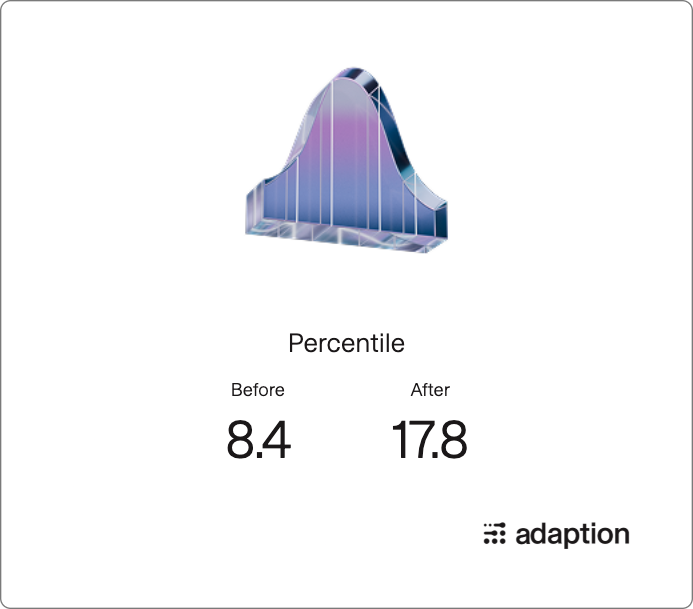
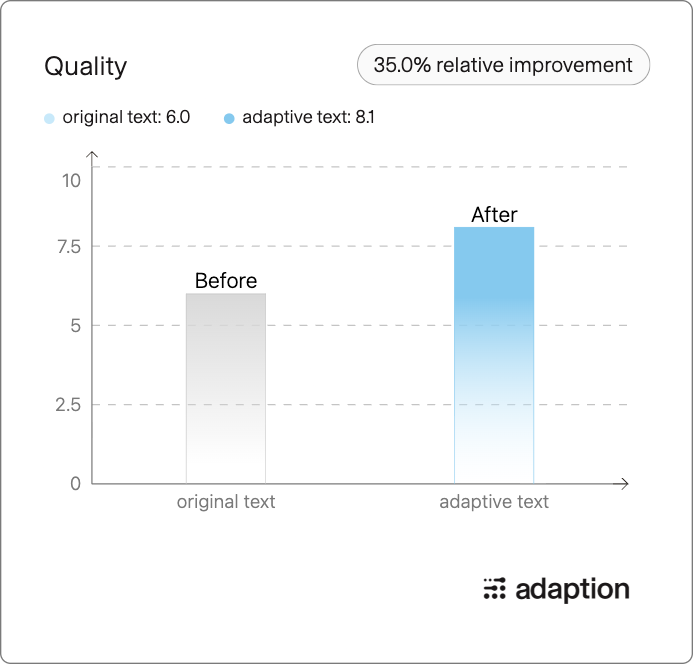
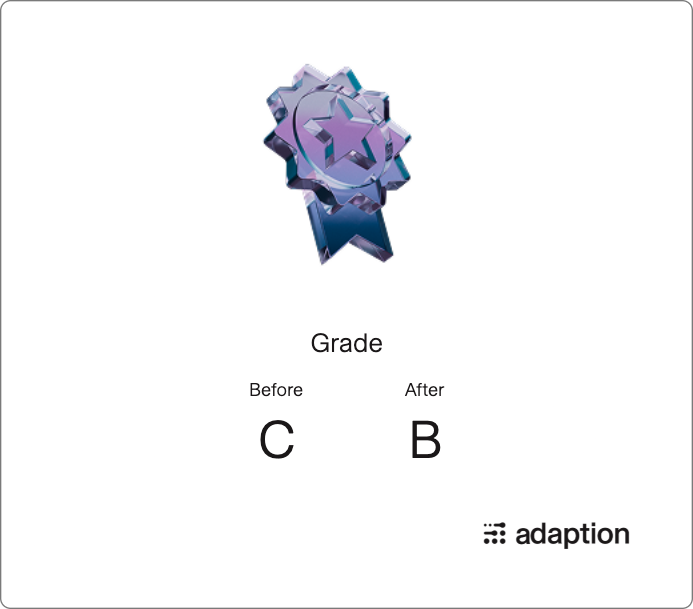
The final quality is B, with a relative quality improvement of 35.0%.
Quality Gains:
Grade Improvement:
Percentile Chart: