

A newer version of the Gradio SDK is available:
6.9.0
title: Inceptionv3 Dog VS Cat Classifier 🐕
emoji: 🐈🐕
colorFrom: yellow
colorTo: green
sdk: gradio
sdk_version: 6.5.1
app_file: app.py
pinned: false
license: mit
short_description: Cat vs Dog classifier with InceptionV3 model.
models:
  - AIOmarRehan/InceptionV3_Dogs_vs_Cats_Classifier_Model
datasets:
  - AIOmarRehan/Cats_and_Dogs
If you would like a detailed explanation of this project, please refer to the Medium article below.
Cats vs Dogs Image Classification (InceptionV3 + TensorFlow)
Project Overview
This project focuses on building an image classification model that can distinguish between cats and dogs using Transfer Learning with the InceptionV3 architecture.
Instead of training a deep learning model from scratch, this project uses a pre-trained model and adapts it to solve a binary classification problem efficiently.
The goal of this project is to practice building a real-world computer vision pipeline including data preprocessing, training, evaluation, and visualization.
Dataset
The project uses the Cats and Dogs dataset, which contains around:
- ~6,000 cat images
- ~6,000 dog images
The dataset is balanced, which helps the model learn both classes fairly and avoids bias toward one class.
Data Preprocessing
Before training, images go through several preprocessing steps:
Resize images to 256 × 256
Normalize pixel values
Handle very bright or very dark images
Apply data augmentation to improve generalization:
- Random flipping
- Random brightness changes
- Random contrast changes
TensorFlow’s tf.data pipeline is used to efficiently load and prepare data.
Model Architecture
This project uses Transfer Learning with InceptionV3.
Base Model
- Pre-trained on ImageNet
- Used as a feature extractor
- Frozen during initial training
Custom Classification Head
Added on top of the base model:
- Global Average Pooling
- Dense layer (512 neurons, ReLU)
- Dropout (0.5) to reduce overfitting
- Final Dense layer with Sigmoid activation for binary classification
Training Strategy
Optimizer
- Adam optimizer
Loss Function
- Binary Cross-Entropy
Training Enhancements
The project uses callbacks to improve training:
EarlyStopping
- Stops training when validation stops improving
ModelCheckpoint
- Saves the best model automatically
ReduceLROnPlateau
- Reduces learning rate when progress slows down
Results & Evaluation
Model performance was evaluated using several visualization techniques.
Accuracy
76/76 ━━━━━━━━━━━━━━━━━━━━ 3s 41ms/step - accuracy: 0.9941 - loss: 0.0194
Test Accuracy: 0.9933
76/76 ━━━━━━━━━━━━━━━━━━━━ 16s 115ms/step
Precision: 0.2498, Recall: 0.5000, F1-score: 0.3331

Classification Report:
              precision    recall  f1-score   support

        cats       0.50      1.00      0.67       601
        dogs       0.00      0.00      0.00       602

    accuracy                           0.50      1203
   macro avg       0.25      0.50      0.33      1203
weighted avg       0.25      0.50      0.33      1203
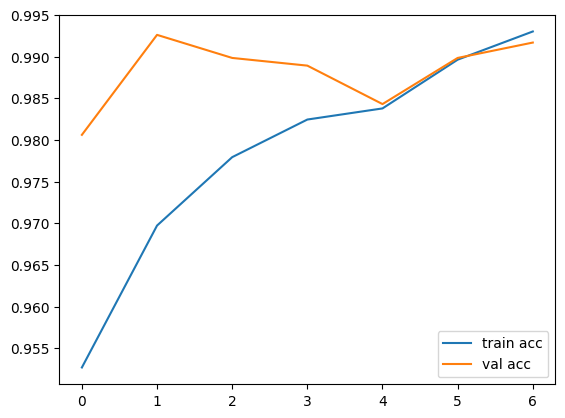 Observation:
Training and validation accuracy both increase steadily and reach high performance (~98–99%).
Observation:
Training and validation accuracy both increase steadily and reach high performance (~98–99%).
Loss
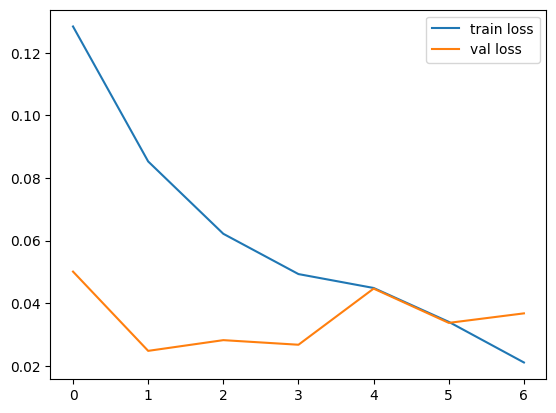
Observation: Both training and validation loss decrease and stabilize, indicating good learning and low overfitting.
Confusion Matrix
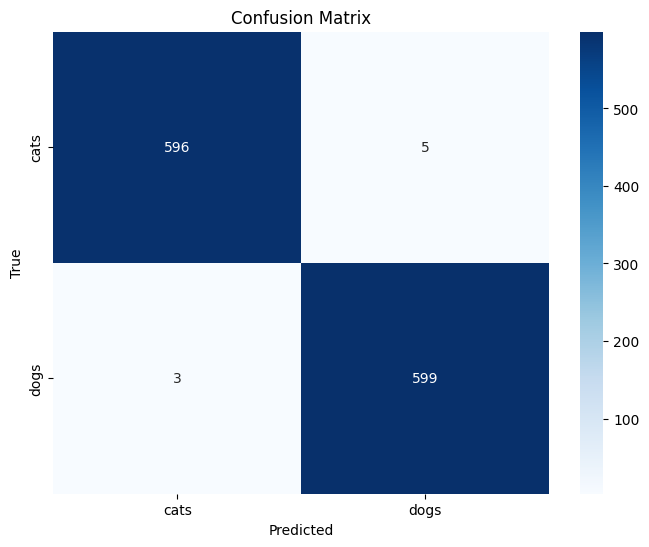
Observation: Most predictions lie along the diagonal, meaning the model correctly classifies both cats and dogs most of the time.
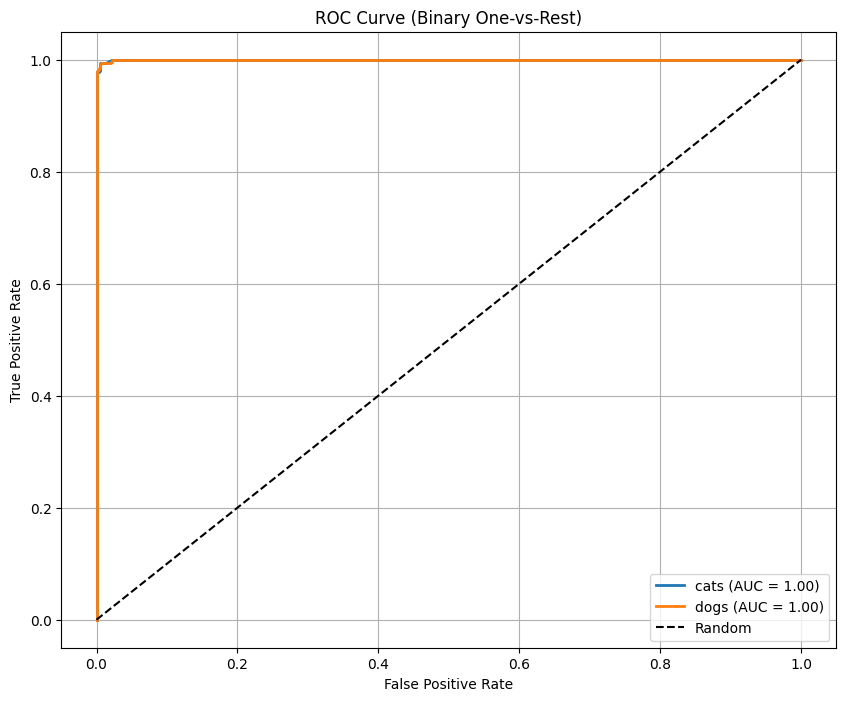
ROC Curve
| Binary Classification ROC Curve | (OvR) ROC Curve – Multi-Class Classification |
|---|---|
 |
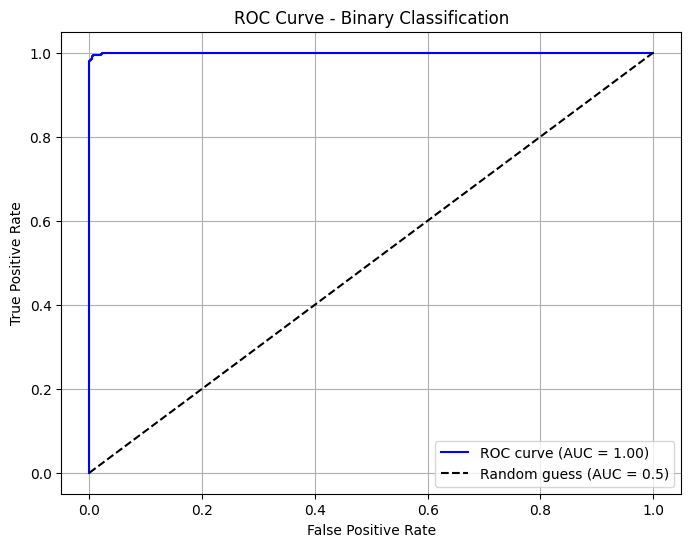 |
Observation: The model achieves an AUC score close to 1.0, which indicates excellent classification ability.
Key Takeaways
- Transfer Learning significantly reduces training time.
- Data augmentation improves model robustness.
- Proper evaluation metrics give deeper insight into model performance.