new

Get trending papers in your email inbox!

Subscribe

Daily Papers

byAK and the research community

Nov 6

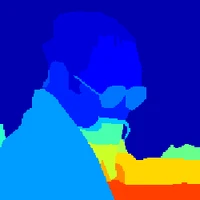
Monocular 3D Object Detection with Bounding Box Denoising in 3D by Perceiver

The main challenge of monocular 3D object detection is the accurate localization of 3D center. Motivated by a new and strong observation that this challenge can be remedied by a 3D-space local-grid search scheme in an ideal case, we propose a stage-wise approach, which combines the information flow from 2D-to-3D (3D bounding box proposal generation with a single 2D image) and 3D-to-2D (proposal verification by denoising with 3D-to-2D contexts) in a top-down manner. Specifically, we first obtain initial proposals from off-the-shelf backbone monocular 3D detectors. Then, we generate a 3D anchor space by local-grid sampling from the initial proposals. Finally, we perform 3D bounding box denoising at the 3D-to-2D proposal verification stage. To effectively learn discriminative features for denoising highly overlapped proposals, this paper presents a method of using the Perceiver I/O model to fuse the 3D-to-2D geometric information and the 2D appearance information. With the encoded latent representation of a proposal, the verification head is implemented with a self-attention module. Our method, named as MonoXiver, is generic and can be easily adapted to any backbone monocular 3D detectors. Experimental results on the well-established KITTI dataset and the challenging large-scale Waymo dataset show that MonoXiver consistently achieves improvement with limited computation overhead.

  • 6 authors
·
Apr 3, 2023

OPEN: Object-wise Position Embedding for Multi-view 3D Object Detection

Accurate depth information is crucial for enhancing the performance of multi-view 3D object detection. Despite the success of some existing multi-view 3D detectors utilizing pixel-wise depth supervision, they overlook two significant phenomena: 1) the depth supervision obtained from LiDAR points is usually distributed on the surface of the object, which is not so friendly to existing DETR-based 3D detectors due to the lack of the depth of 3D object center; 2) for distant objects, fine-grained depth estimation of the whole object is more challenging. Therefore, we argue that the object-wise depth (or 3D center of the object) is essential for accurate detection. In this paper, we propose a new multi-view 3D object detector named OPEN, whose main idea is to effectively inject object-wise depth information into the network through our proposed object-wise position embedding. Specifically, we first employ an object-wise depth encoder, which takes the pixel-wise depth map as a prior, to accurately estimate the object-wise depth. Then, we utilize the proposed object-wise position embedding to encode the object-wise depth information into the transformer decoder, thereby producing 3D object-aware features for final detection. Extensive experiments verify the effectiveness of our proposed method. Furthermore, OPEN achieves a new state-of-the-art performance with 64.4% NDS and 56.7% mAP on the nuScenes test benchmark.

  • 9 authors
·
Jul 15, 2024

Hybrid Context Forests and Bilateral Viterbi Matching for 3D Rib Centerline Tracing in CT

Automatic extraction and anatomical numbering (R01-R12, L01-L12) of all 24 rib centerlines in thoracic CT is essential for unfolded rib visualization, fracture detection, and surgical navigation, but remains challenging due to adjacent-bone confluence, calcified costal cartilage bridges, kyphotic pose variation, and partial visibility of terminal ribs. We present ribline, an open-source three-stage framework combining: (1) an automatically detected lung-apex and vertebral-midline coordinate frame with a kyphosis-aware azimuthal angle for point ordering along each rib; (2) a hybrid voxel detector fusing an anatomically anchored Semantic Context Forest (SCF) with a lightweight 3D U-Net; and (3) a global stage that decomposes the probability skeleton into candidate curves, assigns rib indices via a bilateral Viterbi dynamic program coupled across both hemithoraces, and refines curves via template recovery and normal-plane centering (RibSnake). On the Siemens Corporate Research 2 mm thoracic CT benchmark (47 training and 12 evaluation scans), our pipeline achieves a labeled Chamfer distance of 2.05 mm, labeled clDice of 0.886 (3 mm) and 0.945 (4 mm), 97.2% labeling accuracy (278/286 ribs), and zero false-positive curves on the evaluation split, and 3.64 mm (median 2.39 mm) with 91.8% labeling accuracy across all 59 annotated scans (1,402 ribs) in 5-fold cross-validation. Code: https://github.com/wq2012/ribline Pretrained Models: https://huggingface.co/collections/wq2012/ribline

  • 1 authors
·
Oct 11

CenterNet3D: An Anchor Free Object Detector for Point Cloud

Accurate and fast 3D object detection from point clouds is a key task in autonomous driving. Existing one-stage 3D object detection methods can achieve real-time performance, however, they are dominated by anchor-based detectors which are inefficient and require additional post-processing. In this paper, we eliminate anchors and model an object as a single point--the center point of its bounding box. Based on the center point, we propose an anchor-free CenterNet3D network that performs 3D object detection without anchors. Our CenterNet3D uses keypoint estimation to find center points and directly regresses 3D bounding boxes. However, because inherent sparsity of point clouds, 3D object center points are likely to be in empty space which makes it difficult to estimate accurate boundaries. To solve this issue, we propose an extra corner attention module to enforce the CNN backbone to pay more attention to object boundaries. Besides, considering that one-stage detectors suffer from the discordance between the predicted bounding boxes and corresponding classification confidences, we develop an efficient keypoint-sensitive warping operation to align the confidences to the predicted bounding boxes. Our proposed CenterNet3D is non-maximum suppression free which makes it more efficient and simpler. We evaluate CenterNet3D on the widely used KITTI dataset and more challenging nuScenes dataset. Our method outperforms all state-of-the-art anchor-based one-stage methods and has comparable performance to two-stage methods as well. It has an inference speed of 20 FPS and achieves the best speed and accuracy trade-off. Our source code will be released at https://github.com/wangguojun2018/CenterNet3d.

  • 6 authors
·
Jul 13, 2020

VR-GS: A Physical Dynamics-Aware Interactive Gaussian Splatting System in Virtual Reality

As consumer Virtual Reality (VR) and Mixed Reality (MR) technologies gain momentum, there's a growing focus on the development of engagements with 3D virtual content. Unfortunately, traditional techniques for content creation, editing, and interaction within these virtual spaces are fraught with difficulties. They tend to be not only engineering-intensive but also require extensive expertise, which adds to the frustration and inefficiency in virtual object manipulation. Our proposed VR-GS system represents a leap forward in human-centered 3D content interaction, offering a seamless and intuitive user experience. By developing a physical dynamics-aware interactive Gaussian Splatting in a Virtual Reality setting, and constructing a highly efficient two-level embedding strategy alongside deformable body simulations, VR-GS ensures real-time execution with highly realistic dynamic responses. The components of our Virtual Reality system are designed for high efficiency and effectiveness, starting from detailed scene reconstruction and object segmentation, advancing through multi-view image in-painting, and extending to interactive physics-based editing. The system also incorporates real-time deformation embedding and dynamic shadow casting, ensuring a comprehensive and engaging virtual experience.Our project page is available at: https://yingjiang96.github.io/VR-GS/.

  • 11 authors
·
Jan 29, 2024

CenterSnap: Single-Shot Multi-Object 3D Shape Reconstruction and Categorical 6D Pose and Size Estimation

This paper studies the complex task of simultaneous multi-object 3D reconstruction, 6D pose and size estimation from a single-view RGB-D observation. In contrast to instance-level pose estimation, we focus on a more challenging problem where CAD models are not available at inference time. Existing approaches mainly follow a complex multi-stage pipeline which first localizes and detects each object instance in the image and then regresses to either their 3D meshes or 6D poses. These approaches suffer from high-computational cost and low performance in complex multi-object scenarios, where occlusions can be present. Hence, we present a simple one-stage approach to predict both the 3D shape and estimate the 6D pose and size jointly in a bounding-box free manner. In particular, our method treats object instances as spatial centers where each center denotes the complete shape of an object along with its 6D pose and size. Through this per-pixel representation, our approach can reconstruct in real-time (40 FPS) multiple novel object instances and predict their 6D pose and sizes in a single-forward pass. Through extensive experiments, we demonstrate that our approach significantly outperforms all shape completion and categorical 6D pose and size estimation baselines on multi-object ShapeNet and NOCS datasets respectively with a 12.6% absolute improvement in mAP for 6D pose for novel real-world object instances.

  • 5 authors
·
Mar 3, 2022

GreenWAM: A World Foundation Model for Robotics

A robot needs a world model that predicts how its actions will change the scene and a policy that chooses those actions. Models are usually built and evaluated for only one of these roles, and every robot records its actions in its own format. We ask whether one robot world model can serve both roles across different bodies, and what makes this work. We present GreenWAM, a world foundation model for robotics, together with the recipe that produces it: (1) a shared anatomical action space that describes 20 robot families, from bimanual arms to dexterous humanoids, in common joint coordinates; (2) joint training on these families in visual, action-conditioned and world-action modes; and (3) policies that split an action expert off the generator. As a world model, GreenWAM attains top-tier trajectory, depth and 3D accuracy on WorldArena 1.0, ahead of every world-action model and video generator in our comparison. As a policy, it scores among the top entries of the RoboTwin 2.0 leaderboard, reaches the highest zero-shot LIBERO-plus success among the compared methods and is competitive with dedicated vision-language-action and world-action policies on CALVIN and LIBERO. We further adapt GreenWAM to a real humanoid, where it succeeds more often than policies adapted from π_{0.5} and from Cosmos 3 Edge, and distill it into a single-step policy for real-time control. Controlled experiments yield three findings: robot specialization improves world prediction and control together; an action expert helps when split off at the start of adaptation; and keeping world-model modes during policy adaptation preserves robustness to scene changes.

BrightDreamer: Generic 3D Gaussian Generative Framework for Fast Text-to-3D Synthesis

Text-to-3D synthesis has recently seen intriguing advances by combining the text-to-image models with 3D representation methods, e.g., Gaussian Splatting (GS), via Score Distillation Sampling (SDS). However, a hurdle of existing methods is the low efficiency, per-prompt optimization for a single 3D object. Therefore, it is imperative for a paradigm shift from per-prompt optimization to one-stage generation for any unseen text prompts, which yet remains challenging. A hurdle is how to directly generate a set of millions of 3D Gaussians to represent a 3D object. This paper presents BrightDreamer, an end-to-end single-stage approach that can achieve generalizable and fast (77 ms) text-to-3D generation. Our key idea is to formulate the generation process as estimating the 3D deformation from an anchor shape with predefined positions. For this, we first propose a Text-guided Shape Deformation (TSD) network to predict the deformed shape and its new positions, used as the centers (one attribute) of 3D Gaussians. To estimate the other four attributes (i.e., scaling, rotation, opacity, and SH coefficient), we then design a novel Text-guided Triplane Generator (TTG) to generate a triplane representation for a 3D object. The center of each Gaussian enables us to transform the triplane feature into the four attributes. The generated 3D Gaussians can be finally rendered at 705 frames per second. Extensive experiments demonstrate the superiority of our method over existing methods. Also, BrightDreamer possesses a strong semantic understanding capability even for complex text prompts. The project code is available at https://vlislab22.github.io/BrightDreamer.

  • 2 authors
·
Mar 17, 2024

3DMOTFormer: Graph Transformer for Online 3D Multi-Object Tracking

Tracking 3D objects accurately and consistently is crucial for autonomous vehicles, enabling more reliable downstream tasks such as trajectory prediction and motion planning. Based on the substantial progress in object detection in recent years, the tracking-by-detection paradigm has become a popular choice due to its simplicity and efficiency. State-of-the-art 3D multi-object tracking (MOT) approaches typically rely on non-learned model-based algorithms such as Kalman Filter but require many manually tuned parameters. On the other hand, learning-based approaches face the problem of adapting the training to the online setting, leading to inevitable distribution mismatch between training and inference as well as suboptimal performance. In this work, we propose 3DMOTFormer, a learned geometry-based 3D MOT framework building upon the transformer architecture. We use an Edge-Augmented Graph Transformer to reason on the track-detection bipartite graph frame-by-frame and conduct data association via edge classification. To reduce the distribution mismatch between training and inference, we propose a novel online training strategy with an autoregressive and recurrent forward pass as well as sequential batch optimization. Using CenterPoint detections, our approach achieves 71.2% and 68.2% AMOTA on the nuScenes validation and test split, respectively. In addition, a trained 3DMOTFormer model generalizes well across different object detectors. Code is available at: https://github.com/dsx0511/3DMOTFormer.

  • 5 authors
·
Aug 12, 2023

OneCanvas: 3D Scene Understanding via Panoramic Reprojection

Existing approaches to 3D scene understanding in Vision-Language Models (VLMs) either rely on complex, model-specific geometry encoders or large training budgets in pursuit of spatial reasoning. Instead, OneCanvas aggregates patch features from all views onto a single equirectangular panoramic canvas. Namely, each patch is unprojected to a 3D world coordinate using its depth and camera pose, then placed on the canvas at the continuous longitude and latitude of that point as seen from the canvas origin, with no rasterization or aggregation across overlapping views. A 3D position embedding of the patch's metric coordinates is added to its feature, restoring the depth lost when collapsing the world position to an angular canvas coordinate. Patches from all frames thus share one spatial coordinate system with no fusion or major architectural modifications of the backbone. The pretrained VLM consumes this representation as if it were an ordinary image. Because the canvas can be centered on any pose of interest, the same representation directly supports situated reasoning from a specific viewpoint, a common requirement in robotics and embodied AI. Thanks to this representation, we can also introduce a spatial pretraining curriculum: by procedurally placing patch features of objects, drawn from real images, at chosen 3D world positions on an otherwise empty canvas, we generate on-the-fly supervision spanning a broad range of spatial reasoning tasks, with answer distributions controlled to reduce spatial reasoning shortcuts. OneCanvas achieves state-of-the-art accuracy on SQA3D and VSI-Bench, and generalizes to out-of-distribution data on SPBench, using an order of magnitude less training compute than the strongest competing methods.

  • 3 authors
·
Jun 16

Do 3D Medical Foundation Models See Through MRI Artifacts? A Controlled Study of Representation Robustness

Self-supervised 3D medical foundation models are increasingly used as general-purpose feature extractors, yet their sensitivity to MRI artifacts remains poorly understood. We present a controlled evaluation of representation robustness across five pretrained 3D encoders spanning different architectures, objectives, pretraining domains, and dataset scales. Using BraTS-Africa cases with four MRI sequences, we generate seven frequency- and image-domain artifacts at five predefined corruption settings. Robustness is assessed using linear centered kernel alignment (CKA), RankMe, and UMAP, complemented by an independent segmentation-consistency analysis. We find that robustness is strongly model- and artifact-dependent. 3DINO exhibits the most consistently stable representations, while BrainIAC is highly sensitive to several corruptions; NeuroVFM, BrainFM, and Neuro-SimCLR show intermediate but distinct artifact-specific profiles. Across many conditions, CKA decreases substantially while RankMe remains comparatively stable, indicating that artifacts often distort representation geometry without causing dimensional collapse. Segmentation consistency also degrades under corruption, particularly for ghosting and Rician noise, but aligns only partially with representation-level robustness. These findings show that larger-scale or domain-specific pretraining alone does not guarantee artifact invariance and motivate explicit robustness evaluation before deploying 3D foundation models in heterogeneous MRI settings.

  • 3 authors
·
Aug 5

EdgeGaussians -- 3D Edge Mapping via Gaussian Splatting

With their meaningful geometry and their omnipresence in the 3D world, edges are extremely useful primitives in computer vision. 3D edges comprise of lines and curves, and methods to reconstruct them use either multi-view images or point clouds as input. State-of-the-art image-based methods first learn a 3D edge point cloud then fit 3D edges to it. The edge point cloud is obtained by learning a 3D neural implicit edge field from which the 3D edge points are sampled on a specific level set (0 or 1). However, such methods present two important drawbacks: i) it is not realistic to sample points on exact level sets due to float imprecision and training inaccuracies. Instead, they are sampled within a range of levels so the points do not lie accurately on the 3D edges and require further processing. ii) Such implicit representations are computationally expensive and require long training times. In this paper, we address these two limitations and propose a 3D edge mapping that is simpler, more efficient, and preserves accuracy. Our method learns explicitly the 3D edge points and their edge direction hence bypassing the need for point sampling. It casts a 3D edge point as the center of a 3D Gaussian and the edge direction as the principal axis of the Gaussian. Such a representation has the advantage of being not only geometrically meaningful but also compatible with the efficient training optimization defined in Gaussian Splatting. Results show that the proposed method produces edges as accurate and complete as the state-of-the-art while being an order of magnitude faster. Code is released at https://github.com/kunalchelani/EdgeGaussians.

  • 4 authors
·
Sep 19, 2024

FullPart: Generating each 3D Part at Full Resolution

Part-based 3D generation holds great potential for various applications. Previous part generators that represent parts using implicit vector-set tokens often suffer from insufficient geometric details. Another line of work adopts an explicit voxel representation but shares a global voxel grid among all parts; this often causes small parts to occupy too few voxels, leading to degraded quality. In this paper, we propose FullPart, a novel framework that combines both implicit and explicit paradigms. It first derives the bounding box layout through an implicit box vector-set diffusion process, a task that implicit diffusion handles effectively since box tokens contain little geometric detail. Then, it generates detailed parts, each within its own fixed full-resolution voxel grid. Instead of sharing a global low-resolution space, each part in our method - even small ones - is generated at full resolution, enabling the synthesis of intricate details. We further introduce a center-point encoding strategy to address the misalignment issue when exchanging information between parts of different actual sizes, thereby maintaining global coherence. Moreover, to tackle the scarcity of reliable part data, we present PartVerse-XL, the largest human-annotated 3D part dataset to date with 40K objects and 320K parts. Extensive experiments demonstrate that FullPart achieves state-of-the-art results in 3D part generation. We will release all code, data, and model to benefit future research in 3D part generation.

  • 13 authors
·
Oct 30, 2025 1

Distill3R: A Pipeline for Democratizing 3D Foundation Models on Commodity Hardware

While multi-view 3D reconstruction has shifted toward large-scale foundation models capable of inferring globally consistent geometry, their reliance on massive computational clusters for training has created a significant barrier to entry for most academic laboratories. To bridge this compute divide, we introduce Distill3R, a framework designed to distill the geometric reasoning of 3D foundation models into compact students fully trainable on a single workstation. Our methodology centers on two primary innovations: (1) an offline caching pipeline that decouples heavy teacher inference from the training loop through compressed supervision signals, and (2) a confidence-aware distillation loss that leverages teacher uncertainty to enable training on commodity hardware. We propose a 72M-parameter student model which achieves a 9x reduction in parameters and a 5x inference speedup compared to its 650M-parameter teacher. The student is fully trainable in under 3 days on a single workstation, whereas its teacher requires massive GPU clusters for up to a week. We demonstrate that the student preserves the structural consistency and qualitative geometric understanding required for functional 3D awareness. By providing a reproducible, single-workstation training recipe, Distill3R serves as an exploratory entry point for democratized 3D vision research and efficient edge deployment. This work is not intended to compete with state-of-the-art foundation models, but to provide an accessible research baseline for laboratories without access to large-scale compute to train and specialize models on their own domain-specific data at minimal cost.

  • 2 authors
·
Jan 30

TriSplat: Simulation-Ready Feed-Forward 3D Scene Reconstruction

Sparse-view 3D reconstruction is increasingly addressed with feed-forward splatting networks that predict explicit primitives directly from images. Yet most existing methods remain centered on Gaussian primitives and expose surfaces only indirectly: extracting a usable mesh for downstream simulation, physics reasoning, or embodied interaction still requires expensive post-hoc steps that break the feed-forward promise. This limitation is especially pronounced in pose-free settings, where scene structure and camera parameters must be estimated jointly from sparse observations. We present TriSplat, a feed-forward reconstruction network that represents scenes with oriented triangle primitives and directly exports simulation-ready mesh scenes from a single forward pass. Given input images, the network predicts local 3D point maps, triangle attributes, camera poses, and optional intrinsics. Rather than regressing triangle orientation as an unconstrained latent variable, our approach constructs geometry normals from the predicted point maps, refines them with an image-conditioned normal head, and converts them into stable local frames for triangle parameterization. A mono-normal bootstrap schedule further stabilizes early training, while opacity and blur scheduling progressively sharpens the learned surface representation for direct mesh extraction. Experiments on RealEstate10K and DL3DV show that this representation produces more geometry-faithful reconstructions than Gaussian feed-forward baselines while maintaining competitive novel-view rendering quality. Because the rendering primitives are themselves surface triangles, the output can be directly ingested by physics engines, collision detectors, and standard rendering pipelines without any conversion, making it a practical simulation-ready solution for feed-forward 3D scene reconstruction.

SlimFormer++: Token Mixing Where It Matters for Efficient 3D Medical Image Segmentation

To determine where computation is needed in volumetric segmentation networks, we analyze block-level redundancy and stage-wise token-mixer contribution. Centered Kernel Alignment reveals high input-output representational similarity within blocks of representative convolutional, hybrid, and Transformer-style segmentation networks. Similarity-guided pruning reduces their parameter counts by 39-75% while decreasing mean Dice by less than 0.4 percentage points. To examine token mixers within blocks, we introduce Anatomical Relation Distortion, which quantifies how bypassing a mixer distorts feature relations between labeled anatomical positions. Applied to an unpruned candidate architecture, Centered Kernel Alignment indicates high representational redundancy in intermediate encoder mixers, whereas Anatomical Relation Distortion shows that they contribute little and the bottleneck mixer most. These findings motivate SlimFormer++, which uses Selective Mixing blocks with windowed Mamba mixing in the first encoder stage and only residual channel MLPs in deeper stages. At the bottleneck, Augmented Mixing injects similarity-weighted sparse long-range context into the axial taps of a depthwise convolution at cost linear in voxel count. Evaluated against 12 baselines across eight public CT, MRI, and ultrasound datasets (1,809 cases), SlimFormer++ achieves the highest mean Dice (87.84%) and lowest mean HD95 (6.50 mm) with the fewest parameters (5.98 million). These results support stage-aware token mixing as a design strategy for improving the accuracy-efficiency trade-off in volumetric segmentation. The source code is available at https://github.com/WHHHHHY822/SlimFormerPlusPlus

  • 5 authors
·
Oct 17

Pano2World: End-to-End 3D Generation via Unified Multi-View Sequences

A single panorama captures the full visual sphere from one camera center, yet confines users to looking around in place without enabling true scene exploration. Converting a single panorama into a persistent, renderable 3D representation for free-viewpoint navigation has attracted growing interest; existing methods either adopt iterative per-view completion that propagates inpainting results to update the underlying geometry, leading to progressive error accumulation and cumbersome multi-step pipelines, or leverage the temporal consistency priors of video generation models, yet the continuous-trajectory constraint intrinsic to such models limits their flexibility in covering scenes from multiple directions simultaneously. We present Pano2World, which takes a single indoor panorama as input and directly outputs a persistent, explorable 3D Gaussian scene. Given the source panorama, Pano2World first reconstructs a coarse 3D Gaussian proxy and renders it at adaptively sampled nearby poses to obtain geometrically aligned guidance panoramas; a panoramic diffusion model then jointly denoises all target views via View-Aware Attention Routing, where each target view simultaneously receives geometric constraints from its corresponding guidance panorama and global semantic guidance from the source panorama, naturally enforcing cross-view consistency. To avoid the information loss incurred by decoding the multi-view hidden features formed during joint denoising back to the pixel domain via VAE, we introduce Latent Feature Adapter, a geometry-aware bridge module that directly distills these hidden features into a scene latent, subsequently decoded into the final 3D Gaussian scene. Experiments demonstrate that Pano2World significantly outperforms existing methods on the multi-position panoramic novel-view synthesis benchmark.

  • 3 authors
·
Jul 5

Cyst-X: A Multi-Center MRI Benchmark and Federated Learning Framework for Malignancy-Risk Stratification of Pancreatic Cystic Neoplasm

Pancreatic cancer is projected to be the second-deadliest cancer by 2030, making early detection critical. Intraductal papillary mucinous neoplasms (IPMNs), key cancer precursors, present a clinical dilemma, as current guidelines struggle to stratify malignancy risk, leading to unnecessary surgeries or missed diagnoses. Here, we introduce Cyst-X, a multi-center MRI benchmark and a federated learning framework for IPMN malignancy-risk stratification. The dataset comprises 1,461 abdominal MRI scans from 764 patients at seven international centers, with three-tier malignancy labels anchored in histopathology or three-year imaging follow-up and expert pancreas segmentations. The pipeline couples the PanSegNet pancreas segmenter with a 3D DenseNet-121 classifier and a parallel radiomics predictor. On internal cross-validation, the deep learning classifier reached a mean area under the receiver operating characteristic curve (AUC) of 0.85 (95% confidence interval 0.84-0.86) on T2-weighted MRI for high-risk versus low- or no-risk discrimination, with the average precision rising from a prevalence baseline of 0.23 to 0.64. This performance was preserved (AUC 0.85, FedProx) when training was distributed across institutions without exchange of raw patient images. Benchmarked against three blinded radiologists on a 629-case reader subset evaluated under imaging-only conditions, the classifier matched or exceeded sensitivity at comparable specificity. To accelerate research in early pancreatic cancer detection, we publicly release the Cyst-X dataset, segmentation masks, and trained models as the first large-scale, multi-centre MRI resource for pancreatic cystic neoplasm analysis.

  • 30 authors
·
Jun 7

Putting People in their Place: Monocular Regression of 3D People in Depth

Given an image with multiple people, our goal is to directly regress the pose and shape of all the people as well as their relative depth. Inferring the depth of a person in an image, however, is fundamentally ambiguous without knowing their height. This is particularly problematic when the scene contains people of very different sizes, e.g. from infants to adults. To solve this, we need several things. First, we develop a novel method to infer the poses and depth of multiple people in a single image. While previous work that estimates multiple people does so by reasoning in the image plane, our method, called BEV, adds an additional imaginary Bird's-Eye-View representation to explicitly reason about depth. BEV reasons simultaneously about body centers in the image and in depth and, by combing these, estimates 3D body position. Unlike prior work, BEV is a single-shot method that is end-to-end differentiable. Second, height varies with age, making it impossible to resolve depth without also estimating the age of people in the image. To do so, we exploit a 3D body model space that lets BEV infer shapes from infants to adults. Third, to train BEV, we need a new dataset. Specifically, we create a "Relative Human" (RH) dataset that includes age labels and relative depth relationships between the people in the images. Extensive experiments on RH and AGORA demonstrate the effectiveness of the model and training scheme. BEV outperforms existing methods on depth reasoning, child shape estimation, and robustness to occlusion. The code and dataset are released for research purposes.

  • 6 authors
·
Dec 15, 2021

3D Arena: An Open Platform for Generative 3D Evaluation

Evaluating Generative 3D models remains challenging due to misalignment between automated metrics and human perception of quality. Current benchmarks rely on image-based metrics that ignore 3D structure or geometric measures that fail to capture perceptual appeal and real-world utility. To address this gap, we present 3D Arena, an open platform for evaluating image-to-3D generation models through large-scale human preference collection using pairwise comparisons. Since launching in June 2024, the platform has collected 123,243 votes from 8,096 users across 19 state-of-the-art models, establishing the largest human preference evaluation for Generative 3D. We contribute the iso3d dataset of 100 evaluation prompts and demonstrate quality control achieving 99.75% user authenticity through statistical fraud detection. Our ELO-based ranking system provides reliable model assessment, with the platform becoming an established evaluation resource. Through analysis of this preference data, we present insights into human preference patterns. Our findings reveal preferences for visual presentation features, with Gaussian splat outputs achieving a 16.6 ELO advantage over meshes and textured models receiving a 144.1 ELO advantage over untextured models. We provide recommendations for improving evaluation methods, including multi-criteria assessment, task-oriented evaluation, and format-aware comparison. The platform's community engagement establishes 3D Arena as a benchmark for the field while advancing understanding of human-centered evaluation in Generative 3D.

  • 1 authors
·
Jun 23, 2025 3

TORA: Topological Representation Alignment for 3D Shape Assembly

Flow-matching methods for 3D shape assembly learn point-wise velocity fields that transport parts toward assembled configurations, yet they receive no explicit guidance about which cross-part interactions should drive the motion. We introduce TORA, a topology-first representation alignment framework that distills relational structure from a frozen pretrained 3D encoder into the flow-matching backbone during training. We first realize this via simple instantiation, token-wise cosine matching, which injects the learned geometric descriptors from the teacher representation. We then extend to employ a Centered Kernel Alignment (CKA) loss to match the similarity structure between student and teacher representations for enhanced topological alignment. Through systematic probing of diverse 3D encoders, we show that geometry- and contact-centric teacher properties, not semantic classification ability, govern alignment effectiveness, and that alignment is most beneficial at later transformer layers where spatial structure naturally emerges. TORA introduces zero inference overhead while yielding two consistent benefits: faster convergence (up to 6.9times) and improved accuracy in-distribution, along with greater robustness under domain shift. Experiments on five benchmarks spanning geometric, semantic, and inter-object assembly demonstrate state-of-the-art performance, with particularly pronounced gains in zero-shot transfer to unseen real-world and synthetic datasets. Project page: https://nahyuklee.github.io/tora.

  • 4 authors
·
Apr 4

PersPose: 3D Human Pose Estimation with Perspective Encoding and Perspective Rotation

Monocular 3D human pose estimation (HPE) methods estimate the 3D positions of joints from individual images. Existing 3D HPE approaches often use the cropped image alone as input for their models. However, the relative depths of joints cannot be accurately estimated from cropped images without the corresponding camera intrinsics, which determine the perspective relationship between 3D objects and the cropped images. In this work, we introduce Perspective Encoding (PE) to encode the camera intrinsics of the cropped images. Moreover, since the human subject can appear anywhere within the original image, the perspective relationship between the 3D scene and the cropped image differs significantly, which complicates model fitting. Additionally, the further the human subject deviates from the image center, the greater the perspective distortions in the cropped image. To address these issues, we propose Perspective Rotation (PR), a transformation applied to the original image that centers the human subject, thereby reducing perspective distortions and alleviating the difficulty of model fitting. By incorporating PE and PR, we propose a novel 3D HPE framework, PersPose. Experimental results demonstrate that PersPose achieves state-of-the-art (SOTA) performance on the 3DPW, MPI-INF-3DHP, and Human3.6M datasets. For example, on the in-the-wild dataset 3DPW, PersPose achieves an MPJPE of 60.1 mm, 7.54% lower than the previous SOTA approach. Code is available at: https://github.com/KenAdamsJoseph/PersPose.

  • 2 authors
·
Aug 24, 2025

GEPAR3D: Geometry Prior-Assisted Learning for 3D Tooth Segmentation

Tooth segmentation in Cone-Beam Computed Tomography (CBCT) remains challenging, especially for fine structures like root apices, which is critical for assessing root resorption in orthodontics. We introduce GEPAR3D, a novel approach that unifies instance detection and multi-class segmentation into a single step tailored to improve root segmentation. Our method integrates a Statistical Shape Model of dentition as a geometric prior, capturing anatomical context and morphological consistency without enforcing restrictive adjacency constraints. We leverage a deep watershed method, modeling each tooth as a continuous 3D energy basin encoding voxel distances to boundaries. This instance-aware representation ensures accurate segmentation of narrow, complex root apices. Trained on publicly available CBCT scans from a single center, our method is evaluated on external test sets from two in-house and two public medical centers. GEPAR3D achieves the highest overall segmentation performance, averaging a Dice Similarity Coefficient (DSC) of 95.0% (+2.8% over the second-best method) and increasing recall to 95.2% (+9.5%) across all test sets. Qualitative analyses demonstrated substantial improvements in root segmentation quality, indicating significant potential for more accurate root resorption assessment and enhanced clinical decision-making in orthodontics. We provide the implementation and dataset at https://github.com/tomek1911/GEPAR3D.

  • 8 authors
·
Jul 30, 2025

MonoDETR: Depth-guided Transformer for Monocular 3D Object Detection

Monocular 3D object detection has long been a challenging task in autonomous driving. Most existing methods follow conventional 2D detectors to first localize object centers, and then predict 3D attributes by neighboring features. However, only using local visual features is insufficient to understand the scene-level 3D spatial structures and ignores the long-range inter-object depth relations. In this paper, we introduce the first DETR framework for Monocular DEtection with a depth-guided TRansformer, named MonoDETR. We modify the vanilla transformer to be depth-aware and guide the whole detection process by contextual depth cues. Specifically, concurrent to the visual encoder that captures object appearances, we introduce to predict a foreground depth map, and specialize a depth encoder to extract non-local depth embeddings. Then, we formulate 3D object candidates as learnable queries and propose a depth-guided decoder to conduct object-scene depth interactions. In this way, each object query estimates its 3D attributes adaptively from the depth-guided regions on the image and is no longer constrained to local visual features. On KITTI benchmark with monocular images as input, MonoDETR achieves state-of-the-art performance and requires no extra dense depth annotations. Besides, our depth-guided modules can also be plug-and-play to enhance multi-view 3D object detectors on nuScenes dataset, demonstrating our superior generalization capacity. Code is available at https://github.com/ZrrSkywalker/MonoDETR.

  • 9 authors
·
Mar 24, 2022

Generative 3D Gaussians with Learned Density Control

We present Density-Sampled Gaussians (DeG), a novel 3D representation designed to bridge the gap between adaptive rendering primitives and scalable generative modeling. Unlike existing approaches that constrain 3D Gaussians to fixed voxel grids or arrays, DeG models Gaussian centers as samples from a learnable probability density function defined over an octree. This formulation provides a rigorous mathematical framework for adaptive density control: by jointly optimizing the spatial density and Gaussian attributes under rendering supervision, our model naturally concentrates primitives in regions of high geometric complexity. We achieve this via a new render loss contribution gradient that serves as a fully differentiable analogue to the discrete densification and pruning heuristics used in standard Gaussian Splatting. The resulting representation is highly flexible, supporting variable-resolution decoding from a single latent code by simply adjusting the sampling budget. To enable generative synthesis, we train a latent diffusion model on DeG. We identify a critical challenge in applying diffusion to unordered set-structured latents, which can significantly slow convergence, and propose VecSeq, a canonical re-indexing mechanism that anchors latent tokens to a deterministic 3D Sobol sequence. This transforms the ambiguous set-generation problem into a robust sequence modeling task. Extensive experiments demonstrate that our pipeline achieves state-of-the-art quality in single-image-to-3D generation, combining the structural adaptivity of unstructured primitives with the training stability of grid-based methods.

  • 5 authors
·
May 7 1

GeoForward: Geometry-Guided Cross-View Alignment for Feedforward 3D Gaussian Splatting

Feedforward 3D reconstruction has largely followed an {appearance-driven paradigm}: multi-view images are encoded into visual representations, cross-view correspondence is implicitly inferred from learned features, and 3D primitives are subsequently predicted from these representations. However, calibrated cameras and sparse metric measurements already provide explicit constraints on where the same physical point should appear across views. We propose a novel paradigm, Geometry-Conditioned Feedforward Reconstruction, in which metric geometry establishes cross-view correspondence before the 3D representation is formed, while learned visual features refine rather than discover this correspondence. Based on this paradigm, we introduce GeoForward. Sparse LiDAR points are unprojected into 3D and analytically projected across calibrated cameras to provide metric correspondence anchors. A bounded continuous local search then refines these anchors using visual features, and the resulting geometry-conditioned representation is fused with global multi-view context from VGGT. The shared representation drives separate metric-depth and Gaussian-attribute prediction, establishing a direct path from explicit geometry to both Gaussian centers and spatial attributes. A sparse 3D refinement module subsequently improves local attribute compatibility while preserving the geometrically determined centers. For temporal reconstruction, endpoint Gaussians are composed using vehicle masks and motion priors. On nuScenes, GeoForward achieves the lowest cross-camera depth-consistency error and Chamfer distance among the compared methods while maintaining competitive reconstruction quality. These results demonstrate that explicitly conditioning correspondence formation on metric geometry provides an effective alternative to purely appearance-driven feedforward 3D reconstruction.

  • 8 authors
·
Sep 28

OCTCube-M: A 3D multimodal optical coherence tomography foundation model for retinal and systemic diseases with cross-cohort and cross-device validation

We present OCTCube-M, a 3D OCT-based multi-modal foundation model for jointly analyzing OCT and en face images. OCTCube-M first developed OCTCube, a 3D foundation model pre-trained on 26,685 3D OCT volumes encompassing 1.62 million 2D OCT images. It then exploits a novel multi-modal contrastive learning framework COEP to integrate other retinal imaging modalities, such as fundus autofluorescence and infrared retinal imaging, into OCTCube, efficiently extending it into multi-modal foundation models. OCTCube achieves best performance on predicting 8 retinal diseases, demonstrating strong generalizability on cross-cohort, cross-device and cross-modality prediction. OCTCube can also predict cross-organ nodule malignancy (CT) and low cardiac ejection fraction as well as systemic diseases, such as diabetes and hypertension, revealing its wide applicability beyond retinal diseases. We further develop OCTCube-IR using COEP with 26,685 OCT and IR image pairs. OCTCube-IR can accurately retrieve between OCT and IR images, allowing joint analysis between 3D and 2D retinal imaging modalities. Finally, we trained a tri-modal foundation model OCTCube-EF from 4 million 2D OCT images and 400K en face retinal images. OCTCube-EF attains the best performance on predicting the growth rate of geographic atrophy (GA) across datasets collected from 6 multi-center global trials conducted in 23 countries. This improvement is statistically equivalent to running a clinical trial with more than double the size of the original study. Our analysis based on another retrospective case study reveals OCTCube-EF's ability to avoid false positive Phase-III results according to its accurate treatment effect estimation on the Phase-II results. In sum, OCTCube-M is a 3D multi-modal foundation model framework that integrates OCT and other retinal imaging modalities revealing substantial diagnostic and prognostic benefits.

  • 12 authors
·
Aug 20, 2024

Vision-Language Models for Automated 3D PET/CT Report Generation

Positron emission tomography/computed tomography (PET/CT) is essential in oncology, yet the rapid expansion of scanners has outpaced the availability of trained specialists, making automated PET/CT report generation (PETRG) increasingly important for reducing clinical workload. Compared with structural imaging (e.g., X-ray, CT, and MRI), functional PET poses distinct challenges: metabolic patterns vary with tracer physiology, and whole-body 3D contextual information is required rather than local-region interpretation. To advance PETRG, we propose PETRG-3D, an end-to-end 3D dual-branch framework that separately encodes PET and CT volumes and incorporates style-adaptive prompts to mitigate inter-hospital variability in reporting practices. We construct PETRG-Lym, a multi-center lymphoma dataset collected from four hospitals (824 reports w/ 245,509 paired PET/CT slices), and construct AutoPET-RG-Lym, a publicly accessible PETRG benchmark derived from open imaging data but equipped with new expert-written, clinically validated reports (135 cases). To assess clinical utility, we introduce PETRG-Score, a lymphoma-specific evaluation protocol that jointly measures metabolic and structural findings across curated anatomical regions. Experiments show that PETRG-3D substantially outperforms existing methods on both natural language metrics (e.g., +31.49\% ROUGE-L) and clinical efficacy metrics (e.g., +8.18\% PET-All), highlighting the benefits of volumetric dual-modality modeling and style-aware prompting. Overall, this work establishes a foundation for future PET/CT-specific models emphasizing disease-aware reasoning and clinically reliable evaluation. Codes, models, and AutoPET-RG-Lym will be released.

  • 11 authors
·
Nov 24, 2025

KeySG: Hierarchical Keyframe-Based 3D Scene Graphs

In recent years, 3D scene graphs have emerged as a powerful world representation, offering both geometric accuracy and semantic richness. Combining 3D scene graphs with large language models enables robots to reason, plan, and navigate in complex human-centered environments. However, current approaches for constructing 3D scene graphs are semantically limited to a predefined set of relationships, and their serialization in large environments can easily exceed an LLM's context window. We introduce KeySG, a framework that represents 3D scenes as a hierarchical graph consisting of floors, rooms, objects, and functional elements, where nodes are augmented with multi-modal information extracted from keyframes selected to optimize geometric and visual coverage. The keyframes allow us to efficiently leverage VLM to extract scene information, alleviating the need to explicitly model relationship edges between objects, enabling more general, task-agnostic reasoning and planning. Our approach can process complex and ambiguous queries while mitigating the scalability issues associated with large scene graphs by utilizing a hierarchical retrieval-augmented generation (RAG) pipeline to extract relevant context from the graph. Evaluated across four distinct benchmarks -- including 3D object segmentation and complex query retrieval -- KeySG outperforms prior approaches on most metrics, demonstrating its superior semantic richness and efficiency.

  • 4 authors
·
Oct 1, 2025

NoDrift3R: Raymap-Guided Coupling for Drift-Robust Unposed Feed-Forward 3D Reconstruction

Pose-Free Feed-forward 3D Gaussian Splatting (3DGS) has recently emerged as a powerful paradigm for fast scene reconstruction. However, its performance degrades significantly in long image sequences due to cumulative camera pose estimation drift, which propagates errors into geometric modeling and severely limits rendering fidelity. In this work, we revisit the long-sequence bottleneck and identify pose drift as the primary factor restricting reconstruction quality. Furthermore, while SfM-based pseudo ground-truth poses introduce sensor noise, purely rendering-based supervision often leads to optimization instability and local minima due to the entangled optimization of geometry and pose. To address the challenges, we propose a synergistic pose-free framework that explicitly couples geometry and appearance via a Raymap-Guided Coupling Module (RGC). Concretely, we anchor Gaussian centers to raymap-induced geometry and jointly optimize RGB reconstruction, raymap consistency, and camera regularization under a unified objective, yielding a bidirectional feedback loop: stronger geometry improves rendering, and appearance supervision in turn refines geometry and pose. To further stabilize learning across wide temporal ranges, we introduce a Dual-Frequency Viewpoint Scheduling strategy that combines easy-to-hard interval expansion with replay of short-interval pairs. Extensive experiments across in-domain and cross-domain datasets show consistent gains in both rendering and pose estimation, with notably improved robustness on long sequences. Ablation studies validate our central insight: explicitly designed geometry-appearance synergy is the key to scalable and drift-robust pose-free feed-forward 3D reconstruction.

  • 7 authors
·
Jul 7

AeroAct: Action-Centered World-Action Models for Language-Conditioned Quadrotor Flight

Language-conditioned quadrotor flight requires a policy to ground semantic goals, anticipate the visual consequences of ego-motion, and output control references that remain smooth and dynamically executable under rapidly changing first-person views. Existing aerial vision-language navigation and vision-language-action methods commonly use discrete actions, high-level waypoints, or instantaneous velocity commands, which provide limited supervision about how flight actions change future observations. We present AeroAct, an action-centered world-action model (WAM) for quadrotor navigation. To the best of our knowledge, AeroAct is the first WAM instantiated and demonstrated for real-world aerial flight. The model adapts a pretrained video diffusion Transformer to predict local trajectory-action chunks from egocentric visual history, proprioception, and language. Future first-person frames are used during training as dense consequence supervision, while deployment directly decodes actions without generating future video. To obtain aligned visual, state, language, and dynamically feasible action data, we build a DiffAero-based pipeline with complementary Isaac Lab and 3D Gaussian splatting renderers. We further introduce a low-cost handheld collection device that couples camera observations with motion estimates to recreate flight-like egocentric trajectories, and a self-guidance procedure that improves temporal consistency across overlapping trajectory chunks. Closed-loop simulation and real-world experiments show that temporal visual context improves target tracking and object-search performance, and that WAM-based policies can be executed on a physical quadrotor.

  • 11 authors
·
Jul 15

SceneReGen: Generative Reconstruction of 3D Scenes from a Single Image

Single-image 3D scene reconstruction must complete partially observed objects and place them coherently in a shared observation-aligned scene frame. Object-level generative priors offer strong completion ability, but their centered, scale-normalized outputs are typically expressed in an object frame, creating a fundamental representation gap between object generation and scene reconstruction. We introduce SceneReGen, a generative reconstruction framework that reinterprets scene reconstruction as the generation and assembly of complete object assets in a shared observation-aligned scene frame. SceneReGen addresses the generation-reconstruction gap through selective pose factorization: each object's observed orientation is encoded directly in the generated mesh, while translation and scale are estimated from instance-level and global scene evidence. Given a scene image and instance masks, a geometry encoder extracts dense cues; learnable shape queries condition a pretrained DiT-based 3D generator to produce complete meshes in their observed orientations, while position queries fuse object and scene features to assemble them in the shared frame. On the 3D-FUTURE evaluation subset, SceneReGen achieves the best scene-level CD, scene-level F-Score, and 3D bounding-box IoU among the evaluated methods, ties the best object-level CD, and ranks second in object-level F-Score. Qualitative outputs in autonomous-driving and embodied-AI scenes further illustrate the potential of asset-centric reconstruction beyond indoor furniture.

  • 8 authors
·
Aug 24

ExeWorldBench: Benchmarking Code-Based Executable 3D World Modeling

Coding agents are increasingly evolving beyond reproducing what a world looks like toward constructing executable worlds that capture how a world works. This shift calls for executable world modeling, which integrates two core capabilities: world understanding, reasoning about the underlying structural, mechanical, and causal principles of a world, and executable realization, translating that understanding into a code-based system whose behavior emerges from physical interactions. However, existing benchmarks provide only fragmented evaluations centered on physical reasoning, visual fidelity, or behavioral correctness, leaving the integration of these capabilities insufficiently assessed. To bridge this gap, we introduce ExeWorldBench, to our knowledge the first benchmark to comprehensively evaluate world understanding and executable realization through code-based 3D world construction. ExeWorldBench comprises three progressively challenging tasks: Mechanism Executability, which evaluates the realization of individual mechanisms from visual observations; Compositional Executability, which extends to multi-stage systems with spatial, mechanical, and causal dependencies; and Intent-Driven Executable World Synthesis, which requires constructing executable worlds from high-level goals and physical requirements. Extensive experiments on frontier models reveal substantial limitations in executable world modeling, offering insights into the development of more physically grounded and causally coherent world construction systems.

End-to-End Autonomous Recursive Arborescence Deformable Flow and Non-Linear Hemodynamics for Patient-Specific Coronary Centerline Extraction

Extracting patient-specific vascular trees from volumetric medical images is fundamental to computational angiography and non-invasive hemodynamic assessment. Conventional voxel segmentation models often sever delicate bifurcations, while heuristic Euclidean Minimum Spanning Trees introduce non-anatomical shortcuts. Moreover, linear Poiseuille flow neglects quadratic kinetic dissipation across arterial narrowings, underestimating ischemia. We formulate an end-to-end framework decoupling continuous geometric arborescence generation from non-linear hemodynamics. First, an autonomous 3D Ostium Landmark Localization Head with dual-sinus query channels and spherical-gated refinement eliminates centerline seeding dependency, achieving cohort mean localization error of 7.63 mm (7.43 mm LCA, 7.83 mm RCA; 71.4% <= 8.0 mm) from raw contrast context. Second, a Spatially-Grounded Deformable Step Flow Architecture queries continuous 3D feature pyramids via trilinear sampling, sequentially generating trajectories with anchor boundary enforcement (X(0) = P_start). Third, a Top-Down Recursive Arborescence State Machine detects bifurcation peaks via Tree-NMS and parameterizes predecessor parent pointers (p_k < k), guaranteeing single connected acyclic tree topology (beta_0 = 1, beta_1 = 0) with differentiable step termination. Fourth, an iterative Picard non-linear Kirchhoff solver with Young-Tsai / Gould quadratic dissipation enforces machine-precision mass conservation (residual 5.82e-11 mL/s). Across 14 development patients under standardized in-silico stenosis stress testing (Q_0 = 4.0 mL/s), linear Poiseuille flow misclassifies 75% diameter lesions as non-ischemic (FFR > 0.80) in 14/14 cases, whereas our non-linear solver captures functional ischemia (FFR = 0.5864, lesion disparity 32.89 mmHg, p = 6.10e-5) with 3.66x collateral shunting. Test set firewall isolation was maintained.

  • 2 authors
·
Oct 4

EgoLoc: Revisiting 3D Object Localization from Egocentric Videos with Visual Queries

With the recent advances in video and 3D understanding, novel 4D spatio-temporal methods fusing both concepts have emerged. Towards this direction, the Ego4D Episodic Memory Benchmark proposed a task for Visual Queries with 3D Localization (VQ3D). Given an egocentric video clip and an image crop depicting a query object, the goal is to localize the 3D position of the center of that query object with respect to the camera pose of a query frame. Current methods tackle the problem of VQ3D by unprojecting the 2D localization results of the sibling task Visual Queries with 2D Localization (VQ2D) into 3D predictions. Yet, we point out that the low number of camera poses caused by camera re-localization from previous VQ3D methods severally hinders their overall success rate. In this work, we formalize a pipeline (we dub EgoLoc) that better entangles 3D multiview geometry with 2D object retrieval from egocentric videos. Our approach involves estimating more robust camera poses and aggregating multi-view 3D displacements by leveraging the 2D detection confidence, which enhances the success rate of object queries and leads to a significant improvement in the VQ3D baseline performance. Specifically, our approach achieves an overall success rate of up to 87.12%, which sets a new state-of-the-art result in the VQ3D task. We provide a comprehensive empirical analysis of the VQ3D task and existing solutions, and highlight the remaining challenges in VQ3D. The code is available at https://github.com/Wayne-Mai/EgoLoc.

  • 5 authors
·
Dec 13, 2022

Dual networks based 3D Multi-Person Pose Estimation from Monocular Video

Monocular 3D human pose estimation has made progress in recent years. Most of the methods focus on single persons, which estimate the poses in the person-centric coordinates, i.e., the coordinates based on the center of the target person. Hence, these methods are inapplicable for multi-person 3D pose estimation, where the absolute coordinates (e.g., the camera coordinates) are required. Moreover, multi-person pose estimation is more challenging than single pose estimation, due to inter-person occlusion and close human interactions. Existing top-down multi-person methods rely on human detection (i.e., top-down approach), and thus suffer from the detection errors and cannot produce reliable pose estimation in multi-person scenes. Meanwhile, existing bottom-up methods that do not use human detection are not affected by detection errors, but since they process all persons in a scene at once, they are prone to errors, particularly for persons in small scales. To address all these challenges, we propose the integration of top-down and bottom-up approaches to exploit their strengths. Our top-down network estimates human joints from all persons instead of one in an image patch, making it robust to possible erroneous bounding boxes. Our bottom-up network incorporates human-detection based normalized heatmaps, allowing the network to be more robust in handling scale variations. Finally, the estimated 3D poses from the top-down and bottom-up networks are fed into our integration network for final 3D poses. To address the common gaps between training and testing data, we do optimization during the test time, by refining the estimated 3D human poses using high-order temporal constraint, re-projection loss, and bone length regularizations. Our evaluations demonstrate the effectiveness of the proposed method. Code and models are available: https://github.com/3dpose/3D-Multi-Person-Pose.

  • 3 authors
·
May 2, 2022

LoGoNet: Towards Accurate 3D Object Detection with Local-to-Global Cross-Modal Fusion

LiDAR-camera fusion methods have shown impressive performance in 3D object detection. Recent advanced multi-modal methods mainly perform global fusion, where image features and point cloud features are fused across the whole scene. Such practice lacks fine-grained region-level information, yielding suboptimal fusion performance. In this paper, we present the novel Local-to-Global fusion network (LoGoNet), which performs LiDAR-camera fusion at both local and global levels. Concretely, the Global Fusion (GoF) of LoGoNet is built upon previous literature, while we exclusively use point centroids to more precisely represent the position of voxel features, thus achieving better cross-modal alignment. As to the Local Fusion (LoF), we first divide each proposal into uniform grids and then project these grid centers to the images. The image features around the projected grid points are sampled to be fused with position-decorated point cloud features, maximally utilizing the rich contextual information around the proposals. The Feature Dynamic Aggregation (FDA) module is further proposed to achieve information interaction between these locally and globally fused features, thus producing more informative multi-modal features. Extensive experiments on both Waymo Open Dataset (WOD) and KITTI datasets show that LoGoNet outperforms all state-of-the-art 3D detection methods. Notably, LoGoNet ranks 1st on Waymo 3D object detection leaderboard and obtains 81.02 mAPH (L2) detection performance. It is noteworthy that, for the first time, the detection performance on three classes surpasses 80 APH (L2) simultaneously. Code will be available at https://github.com/sankin97/LoGoNet.

  • 11 authors
·
Mar 6, 2023

Chat-Edit-3D: Interactive 3D Scene Editing via Text Prompts

Recent work on image content manipulation based on vision-language pre-training models has been effectively extended to text-driven 3D scene editing. However, existing schemes for 3D scene editing still exhibit certain shortcomings, hindering their further interactive design. Such schemes typically adhere to fixed input patterns, limiting users' flexibility in text input. Moreover, their editing capabilities are constrained by a single or a few 2D visual models and require intricate pipeline design to integrate these models into 3D reconstruction processes. To address the aforementioned issues, we propose a dialogue-based 3D scene editing approach, termed CE3D, which is centered around a large language model that allows for arbitrary textual input from users and interprets their intentions, subsequently facilitating the autonomous invocation of the corresponding visual expert models. Furthermore, we design a scheme utilizing Hash-Atlas to represent 3D scene views, which transfers the editing of 3D scenes onto 2D atlas images. This design achieves complete decoupling between the 2D editing and 3D reconstruction processes, enabling CE3D to flexibly integrate a wide range of existing 2D or 3D visual models without necessitating intricate fusion designs. Experimental results demonstrate that CE3D effectively integrates multiple visual models to achieve diverse editing visual effects, possessing strong scene comprehension and multi-round dialog capabilities. The code is available at https://sk-fun.fun/CE3D.

  • 7 authors
·
Jul 9, 2024 1

Feed-Forward 3D Scene Modeling: A Problem-Driven Perspective

Reconstructing 3D representations from 2D inputs is a fundamental task in computer vision and graphics, serving as a cornerstone for understanding and interacting with the physical world. While traditional methods achieve high fidelity, they are limited by slow per-scene optimization or category-specific training, which hinders their practical deployment and scalability. Hence, generalizable feed-forward 3D reconstruction has witnessed rapid development in recent years. By learning a model that maps images directly to 3D representations in a single forward pass, these methods enable efficient reconstruction and robust cross-scene generalization. Our survey is motivated by a critical observation: despite the diverse geometric output representations, ranging from implicit fields to explicit primitives, existing feed-forward approaches share similar high-level architectural patterns, such as image feature extraction backbones, multi-view information fusion mechanisms, and geometry-aware design principles. Consequently, we abstract away from these representation differences and instead focus on model design, proposing a novel taxonomy centered on model design strategies that are agnostic to the output format. Our proposed taxonomy organizes the research directions into five key problems that drive recent research development: feature enhancement, geometry awareness, model efficiency, augmentation strategies and temporal-aware models. To support this taxonomy with empirical grounding and standardized evaluation, we further comprehensively review related benchmarks and datasets, and extensively discuss and categorize real-world applications based on feed-forward 3D models. Finally, we outline future directions to address open challenges such as scalability, evaluation standards, and world modeling.

PhotoFlow: Agentic 3D Virtual Photography Missions

Virtual photography asks an agent to enter a prepared 3D scene with no preselected camera pose or reference image, infer a suitable shot from scene information and a language intent, choose executable camera parameters, and render the final photograph. Recent progress in vision-language models makes this kind of spatial agent increasingly plausible, but the task stresses two capabilities that remain hard to evaluate together: complex 3D spatial understanding and abstract aesthetic judgment. We introduce PhotoFlow, a Director-Reviewer-Reflector agent for closed-loop camera search. The Director builds a soft photographic blueprint and proposes diverse candidate cameras; the Reviewer combines rule checks, visual critique, and pairwise incumbent selection; and the Reflector converts failures into region memory, dead-zone suppression, and high-explore relocation. We also introduce VPhotoBench, a benchmark of 47 open-license Blender scenes and 141 language-conditioned photography missions spanning subject placement, relational composition, and atmosphere/style. On held-out experiments, PhotoFlow achieves the strongest external quality-alignment composite and success rate among one-shot prediction, single-chain reflection, anchor-bank selection, and random search under a six-round rendering budget. To our knowledge, this is the first work to make language-conditioned virtual photography in arbitrary Blender scenes an executable agent task, and our results show that an LLM-centered spatial agent can already produce strong photographs in a setting designed to challenge both 3D reasoning and aesthetic choice.

Chat-Edit-3D++: Interactive 3D and 4D Scene Editing via Large Language Models

Recent work on image content manipulation based on vision-language pre-training models has been effectively extended to text-driven 3D scene editing. However, existing schemes for 3D scene editing still have certain shortcomings, hindering their further development as interactive design tools. Such schemes typically adhere to fixed input patterns, limiting flexibility in text input. Furthermore, their editing capabilities are constrained by a single or a few 2D visual models and require intricate pipeline design to integrate these models into 3D reconstruction processes. To address the aforementioned issues, we propose the Hash-Atlas network, which reformulates 3D scene editing as operations on 2D atlas images, thereby achieving a workflow decoupling of the 2D editing and 3D reconstruction processes. Building on this foundation, we introduce a dialogue-based 3D scene editing approach, termed CE3D++, which is centered on a large language model (LLM) that allows arbitrary textual input from users and interprets their intentions, subsequently facilitating the autonomous invocation of the corresponding visual models. Additionally, we extend CE3D++ to monocular 4D scenes by imposing motion constraints on moving objects and further fine-tuning the LLM by creating a trajectory dataset related to editing tasks, which enables the smaller LLM to schedule up to 30 different visual tools accurately. Experimental results demonstrate that CE3D++ effectively integrates multiple visual models to achieve diverse visual editing effects, possessing strong scene comprehension and multi-round dialog capabilities. The source codes and trained models are available at https://github.com/Fangkang515/CE3D.

stepfun-ai StepFun
·
Aug 28 2

CoDimRecon: Agentic Reconstruction of Sim-Ready 3D Scenes with Deformable Curves, Surfaces, and Volumes

Reconstructing simulation-ready 3D scenes from real-world observations enables robotics, gaming, and immersive applications, yet existing methods largely assume rigid objects. This leaves an important gap for deformables, whose simulation-ready geometry depends on dimensionality (curves, surfaces, or volumes) and whose behavior may require models beyond elasticity. We present CoDimRecon, an agentic framework that reconstructs editable scenes containing rigid, articulated, and deformable objects from multi-view RGB observations. Scene-level geometric priors ground scale and layout, while object-level generated meshes guide the agent toward detailed, compact geometry; articulated rigid objects are decomposed into movable parts with explicit joints. For deformables, category-wise agent sessions reconstruct curves as centerlines with radii, surfaces as manifold shells with thickness, and volumes as watertight solids for volumetric meshing. Reusable simulator skills initialize compatible physical models and parameters, while agent-guided behavioral tests expose mismatches and trigger targeted revisions of motion, geometry, numerics, or material modeling. On evaluated Replica and ScanNet++ scenes, CoDimRecon achieves competitive compositional reconstruction accuracy while additionally producing deformable assets for rod, shell, and solid simulation. We further demonstrate robot interactions across all three representations, including a controlled paper-folding case in which behavioral testing motivates plastic bending.

  • 5 authors
·
Sep 29

PCP-MAE: Learning to Predict Centers for Point Masked Autoencoders

Masked autoencoder has been widely explored in point cloud self-supervised learning, whereby the point cloud is generally divided into visible and masked parts. These methods typically include an encoder accepting visible patches (normalized) and corresponding patch centers (position) as input, with the decoder accepting the output of the encoder and the centers (position) of the masked parts to reconstruct each point in the masked patches. Then, the pre-trained encoders are used for downstream tasks. In this paper, we show a motivating empirical result that when directly feeding the centers of masked patches to the decoder without information from the encoder, it still reconstructs well. In other words, the centers of patches are important and the reconstruction objective does not necessarily rely on representations of the encoder, thus preventing the encoder from learning semantic representations. Based on this key observation, we propose a simple yet effective method, i.e., learning to Predict Centers for Point Masked AutoEncoders (PCP-MAE) which guides the model to learn to predict the significant centers and use the predicted centers to replace the directly provided centers. Specifically, we propose a Predicting Center Module (PCM) that shares parameters with the original encoder with extra cross-attention to predict centers. Our method is of high pre-training efficiency compared to other alternatives and achieves great improvement over Point-MAE, particularly surpassing it by 5.50% on OBJ-BG, 6.03% on OBJ-ONLY, and 5.17% on PB-T50-RS for 3D object classification on the ScanObjectNN dataset. The code is available at https://github.com/aHapBean/PCP-MAE.

  • 3 authors
·
Aug 16, 2024

LocateAnything3D: Vision-Language 3D Detection with Chain-of-Sight

To act in the world, a model must name what it sees and know where it is in 3D. Today's vision-language models (VLMs) excel at open-ended 2D description and grounding, yet multi-object 3D detection remains largely missing from the VLM toolbox. We present LocateAnything3D, a VLM-native recipe that casts 3D detection as a next-token prediction problem. The key is a short, explicit Chain-of-Sight (CoS) sequence that mirrors how human reason from images: find an object in 2D, then infer its distance, size, and pose. The decoder first emits 2D detections as a visual chain-of-thought, then predicts 3D boxes under an easy-to-hard curriculum: across objects, a near-to-far order reduces early ambiguity and matches ego-centric utility; within each object, a center-from-camera, dimensions, and rotation factorization ranks information by stability and learnability. This VLM-native interface preserves open-vocabulary and visual-prompting capability without specialized heads. On the challenging Omni3D benchmark, our model achieves state-of-the-art results, with 49.89 AP_3D, surpassing the previous best by +15.51 absolute improvement even when the baseline is given ground-truth 2D boxes. It also generalizes zero-shot to held-out categories with strong robustness. By turning 3D detection into a disciplined next-token problem, LocateAnything3D offers a practical foundation for models to perceive in 3D.

  • 10 authors
·
Nov 25, 2025

BoKDiff: Best-of-K Diffusion Alignment for Target-Specific 3D Molecule Generation

Structure-based drug design (SBDD) leverages the 3D structure of biomolecular targets to guide the creation of new therapeutic agents. Recent advances in generative models, including diffusion models and geometric deep learning, have demonstrated promise in optimizing ligand generation. However, the scarcity of high-quality protein-ligand complex data and the inherent challenges in aligning generated ligands with target proteins limit the effectiveness of these methods. We propose BoKDiff, a novel framework that enhances ligand generation by combining multi-objective optimization and Best-of-K alignment methodologies. Built upon the DecompDiff model, BoKDiff generates diverse candidates and ranks them using a weighted evaluation of molecular properties such as QED, SA, and docking scores. To address alignment challenges, we introduce a method that relocates the center of mass of generated ligands to their docking poses, enabling accurate sub-component extraction. Additionally, we integrate a Best-of-N (BoN) sampling approach, which selects the optimal ligand from multiple generated candidates without requiring fine-tuning. BoN achieves exceptional results, with QED values exceeding 0.6, SA scores above 0.75, and a success rate surpassing 35%, demonstrating its efficiency and practicality. BoKDiff achieves state-of-the-art results on the CrossDocked2020 dataset, including a -8.58 average Vina docking score and a 26% success rate in molecule generation. This study is the first to apply Best-of-K alignment and Best-of-N sampling to SBDD, highlighting their potential to bridge generative modeling with practical drug discovery requirements. The code is provided at https://github.com/khodabandeh-ali/BoKDiff.git.

  • 3 authors
·
Jan 25, 2025

ShaSTA-Fuse: Camera-LiDAR Sensor Fusion to Model Shape and Spatio-Temporal Affinities for 3D Multi-Object Tracking

3D multi-object tracking (MOT) is essential for an autonomous mobile agent to safely navigate a scene. In order to maximize the perception capabilities of the autonomous agent, we aim to develop a 3D MOT framework that fuses camera and LiDAR sensor information. Building on our prior LiDAR-only work, ShaSTA, which models shape and spatio-temporal affinities for 3D MOT, we propose a novel camera-LiDAR fusion approach for learning affinities. At its core, this work proposes a fusion technique that generates a rich sensory signal incorporating information about depth and distant objects to enhance affinity estimation for improved data association, track lifecycle management, false-positive elimination, false-negative propagation, and track confidence score refinement. Our main contributions include a novel fusion approach for combining camera and LiDAR sensory signals to learn affinities, and a first-of-its-kind multimodal sequential track confidence refinement technique that fuses 2D and 3D detections. Additionally, we perform an ablative analysis on each fusion step to demonstrate the added benefits of incorporating the camera sensor, particular for small, distant objects that tend to suffer from the depth-sensing limits and sparsity of LiDAR sensors. In sum, our technique achieves state-of-the-art performance on the nuScenes benchmark amongst multimodal 3D MOT algorithms using CenterPoint detections.

  • 3 authors
·
Oct 3, 2023

LiDAR-PTQ: Post-Training Quantization for Point Cloud 3D Object Detection

Due to highly constrained computing power and memory, deploying 3D lidar-based detectors on edge devices equipped in autonomous vehicles and robots poses a crucial challenge. Being a convenient and straightforward model compression approach, Post-Training Quantization (PTQ) has been widely adopted in 2D vision tasks. However, applying it directly to 3D lidar-based tasks inevitably leads to performance degradation. As a remedy, we propose an effective PTQ method called LiDAR-PTQ, which is particularly curated for 3D lidar detection (both SPConv-based and SPConv-free). Our LiDAR-PTQ features three main components, (1) a sparsity-based calibration method to determine the initialization of quantization parameters, (2) a Task-guided Global Positive Loss (TGPL) to reduce the disparity between the final predictions before and after quantization, (3) an adaptive rounding-to-nearest operation to minimize the layerwise reconstruction error. Extensive experiments demonstrate that our LiDAR-PTQ can achieve state-of-the-art quantization performance when applied to CenterPoint (both Pillar-based and Voxel-based). To our knowledge, for the very first time in lidar-based 3D detection tasks, the PTQ INT8 model's accuracy is almost the same as the FP32 model while enjoying 3times inference speedup. Moreover, our LiDAR-PTQ is cost-effective being 30times faster than the quantization-aware training method. Code will be released at https://github.com/StiphyJay/LiDAR-PTQ.

  • 9 authors
·
Jan 28, 2024

IDESplat: Iterative Depth Probability Estimation for Generalizable 3D Gaussian Splatting

Generalizable 3D Gaussian Splatting aims to directly predict Gaussian parameters using a feed-forward network for scene reconstruction. Among these parameters, Gaussian means are particularly difficult to predict, so depth is usually estimated first and then unprojected to obtain the Gaussian sphere centers. Existing methods typically rely solely on a single warp to estimate depth probability, which hinders their ability to fully leverage cross-view geometric cues, resulting in unstable and coarse depth maps. To address this limitation, we propose IDESplat, which iteratively applies warp operations to boost depth probability estimation for accurate Gaussian mean prediction. First, to eliminate the inherent instability of a single warp, we introduce a Depth Probability Boosting Unit (DPBU) that integrates epipolar attention maps produced by cascading warp operations in a multiplicative manner. Next, we construct an iterative depth estimation process by stacking multiple DPBUs, progressively identifying potential depth candidates with high likelihood. As IDESplat iteratively boosts depth probability estimates and updates the depth candidates, the depth map is gradually refined, resulting in accurate Gaussian means. We conduct experiments on RealEstate10K, ACID, and DL3DV. IDESplat achieves outstanding reconstruction quality and state-of-the-art performance with real-time efficiency. On RE10K, it outperforms DepthSplat by 0.33 dB in PSNR, using only 10.7% of the parameters and 70% of the memory. Additionally, our IDESplat improves PSNR by 2.95 dB over DepthSplat on the DTU dataset in cross-dataset experiments, demonstrating its strong generalization ability.

  • 6 authors
·
Mar 25

VGOcc: Learning Visual-Geometric Gaussians for Vision-Centric 3D Driving Occupancy Prediction

Vision-only occupancy prediction requires recovering a semantic 3D occupancy field from calibrated surround-view images, where each view provides observations with ambiguous depth along camera rays. Existing methods have progressed from dense structured representations to sparse Gaussian primitives, improving the efficiency of 3D scene representation. However, Gaussian learning still relies primarily on image domain features, which provide limited explicit geometric information for volumetric reasoning. Our key observation is that effective Gaussian occupancy modeling requires not only sparse primitives, but also richer geometric and semantic learning cues. In this paper, we propose VGOcc, which learns visual and geometric cues from foundation models for Gaussian modeling. VGOcc incorporates these cues into primitive initialization and refinement, yielding a representation termed Visual-Geometric Gaussians tailored to semantic occupancy prediction. Specifically, we propose Visual-Geometric Gaussian Birth to form spatially balanced Gaussian centers from ray depth hypotheses, while visual semantic features initialize primitive attributes. Next, we design Pose-Aware Feature Learning to combine foundation tokens with camera embeddings and calibrated ray information. Features from neighboring views are then aggregated at projected 3D locations for each Gaussian refinement stage. Finally, Gaussian decoder refines birth Gaussians with pose-aware features and renders them into semantic occupancy. Experiments on nuScenes demonstrate that VGOcc achieves state-of-the-art performance in vision-only 3D occupancy prediction. Codes will be available at https://github.com/JHLin42in/VGOcc.

ShaSTA: Modeling Shape and Spatio-Temporal Affinities for 3D Multi-Object Tracking

Multi-object tracking is a cornerstone capability of any robotic system. The quality of tracking is largely dependent on the quality of the detector used. In many applications, such as autonomous vehicles, it is preferable to over-detect objects to avoid catastrophic outcomes due to missed detections. As a result, current state-of-the-art 3D detectors produce high rates of false-positives to ensure a low number of false-negatives. This can negatively affect tracking by making data association and track lifecycle management more challenging. Additionally, occasional false-negative detections due to difficult scenarios like occlusions can harm tracking performance. To address these issues in a unified framework, we propose to learn shape and spatio-temporal affinities between tracks and detections in consecutive frames. Our affinity provides a probabilistic matching that leads to robust data association, track lifecycle management, false-positive elimination, false-negative propagation, and sequential track confidence refinement. Though past 3D MOT approaches address a subset of components in this problem domain, we offer the first self-contained framework that addresses all these aspects of the 3D MOT problem. We quantitatively evaluate our method on the nuScenes tracking benchmark where we achieve 1st place amongst LiDAR-only trackers using CenterPoint detections. Our method estimates accurate and precise tracks, while decreasing the overall number of false-positive and false-negative tracks and increasing the number of true-positive tracks. We analyze our performance with 5 metrics, giving a comprehensive overview of our approach to indicate how our tracking framework may impact the ultimate goal of an autonomous mobile agent. We also present ablative experiments and qualitative results that demonstrate our framework's capabilities in complex scenarios.

  • 4 authors
·
Feb 6, 2023

SpatialScout: Can VLM Agents Actively Explore and Map 3D Scenes?

Spatial intelligence requires agents to actively acquire visual evidence and integrate observations into a coherent representation of the three-dimensional world. Yet spatial question answering offers limited evidence of whether models can construct accurate metric maps through autonomous exploration. We introduce SpatialScout, a benchmark for evaluating vision-language model (VLM) agents on active object-level 3D mapping. SpatialScout comprises 80 diverse indoor scenes containing 3,140 target objects. Given an object inventory, RGB observations, camera calibration, and camera poses, agents control a camera to explore each scene and estimate object centers in a shared coordinate frame. The task requires coordinating viewpoint selection, cross-view association, geometric estimation, and map revision under bounded interaction budgets. Evaluation jointly measures localization accuracy and target coverage through object-scale overlap scores that penalize missing predictions. Experiments with frontier VLMs reveal substantial limitations: the strongest evaluated model, Claude Opus 5.5, achieves a mean overlap score of 41.71%, with 47.23% of targets exceeding an intersection-over-union (IoU) threshold of 0.5 and only 3.25% exceeding 0.9. These results reveal a substantial gap between recovering coarse object layouts and constructing complete, precise metric maps. SpatialScout provides a quantitative testbed for developing agents that build reliable 3D spatial representations through active perception. Code is available at https://github.com/JesseZZZZZ/SpatialScout.

TEASER: Token Enhanced Spatial Modeling for Expressions Reconstruction

3D facial reconstruction from a single in-the-wild image is a crucial task in human-centered computer vision tasks. While existing methods can recover accurate facial shapes, there remains significant space for improvement in fine-grained expression capture. Current approaches struggle with irregular mouth shapes, exaggerated expressions, and asymmetrical facial movements. We present TEASER (Token EnhAnced Spatial modeling for Expressions Reconstruction), which addresses these challenges and enhances 3D facial geometry performance. TEASER tackles two main limitations of existing methods: insufficient photometric loss for self-reconstruction and inaccurate localization of subtle expressions. We introduce a multi-scale tokenizer to extract facial appearance information. Combined with a neural renderer, these tokens provide precise geometric guidance for expression reconstruction. Furthermore, TEASER incorporates a pose-dependent landmark loss to further improve geometric performances. Our approach not only significantly enhances expression reconstruction quality but also offers interpretable tokens suitable for various downstream applications, such as photorealistic facial video driving, expression transfer, and identity swapping. Quantitative and qualitative experimental results across multiple datasets demonstrate that TEASER achieves state-of-the-art performance in precise expression reconstruction.

  • 6 authors
·
Feb 15, 2025

Being-H0: Vision-Language-Action Pretraining from Large-Scale Human Videos

We introduce Being-H0, a dexterous Vision-Language-Action model (VLA) trained on large-scale human videos. Existing VLAs struggle with complex manipulation tasks requiring high dexterity and generalize poorly to novel scenarios and tasks, primarily due to their reliance on synthetic data with significant sim-to-real gaps or teleoperated demonstrations lacking scale and diversity. To address this data bottleneck, we propose leveraging human hands as a foundation manipulator, capitalizing on the rich dexterity and scalability present in web data. Our approach centers on physical instruction tuning, a novel training paradigm that combines large-scale VLA pretraining from human videos, physical space alignment for 3D reasoning, and post-training adaptation for robotic tasks. Additionally, we introduce a part-level motion tokenization method which achieves millimeter-level reconstruction accuracy to model precise hand trajectories for action learning. To support our proposed paradigm, we further develop a comprehensive data curation pipeline that integrates heterogeneous sources -- including motion capture, VR, and RGB-only videos -- into a large-scale dataset with millions of motion-based instructional instances. We empirically show the excellence of Being-H0 in hand motion generation and instruction following, and it also scales well with model and data sizes. Importantly, we observe the expected gains of Being-H0 in real-world robotic manipulation as physical instruction tuning is applied. More details are available at https://beingbeyond.github.io/Being-H0.

  • 10 authors
·
Jul 21, 2025 1

EyeRobot 2.0: Active Gaze for Precise Manipulation without Wrist Cameras

Inspired by human vision, we introduce a framework using active gaze to enable fine-grained bimanual manipulation with only a single stereo camera. EyeRobot 2.0 physically attends to a 3D fixation point in the scene by swiveling two eye viewpoints to center their gaze on it. The resulting images are processed foveally by allocating more visual tokens to the image centers, focusing computation on task-relevant features. Such Active Visual Fixation (AVF) requires carefully coordinated gaze during task execution, which we accomplish hierarchically by first training a low-level gaze servoing policy conditioned on a goal object, then training a target selector which emits fixation goals based on task progress. Both modules are trained with RL on real-world data: the first is trained with a dense geometric reward and the second co-trains with the BC gripper policy which allows it to discover fixation sequences that can resemble a human's fixation sequence while performing the task. EyeRobot 2.0 further takes advantage of fixation by canonicalizing gripper information into a fixation-relative SE(3) frame, which compacts the size of the action distribution to learn. We collect teleoperation data for 7 real-world and 6 simulated tasks, and conduct over 1000 physical and 1800 simulated robot trials comparing EyeRobot 2.0 against passive stereo and ego + wrist camera policies trained on the same data. Removing wrist cameras is costly for standard policies: with only passive stereo, real-world success drops from 52% to 27%. EyeRobot 2.0 closes this gap with only stereo, outperforming passive stereo by 40% in real and 20% in sim. It matches ego + wrist policies when their wrist views are clear (69% vs. 64%), and more than doubles their success when grasped objects occlude the wrist cameras (48% vs. 22%)

HandsOnWorld: Unconstrained Egocentric Video Generation with Camera-Disentangled Hand Control

We present HandsOnWorld, a framework for hand-controlled egocentric video generation that forgoes multi-view and marker-based motion capture, learning instead from unconstrained monocular video. Such generality is bottlenecked by the scarcity of scalable 3D hand annotations: large egocentric corpora lack finger-level labels, whereas precise hand datasets are confined to narrow, instrumented settings, limiting prior hand-controlled generators to restricted scene distributions. We instead annotate 3D hands directly on in-the-wild egocentric video through monocular reconstruction, introducing a protagonist-centered annotation pipeline that filters the reconstructions at the action-semantic, image-quality, and 3D-geometric levels to build EgoVid-Pro, a dataset of clean, protagonist-only hand trajectories spanning 103K clips and roughly 12M frames across diverse everyday scenes. To resolve the camera-hand entanglement induced by large ego-motion, we further propose the Plücker Hand Map, a 3D-aware control signal that extends Plücker-ray representations from camera rays to the hand surface, disentangling camera and hand motion at the representation level. Experiments show that \method surpasses prior hand-controlled generators in reconstruction fidelity and control accuracy, and generalizes to out-of-distribution everyday scenes beyond the laboratory datasets on which prior methods rely.

  • 6 authors
·
Jul 1

SA-CycleGAN-2.5D: Self-Attention CycleGAN with Tri-Planar Context for Multi-Site MRI Harmonization

Multi-site neuroimaging analysis is fundamentally confounded by scanner-induced covariate shifts, where the marginal distribution of voxel intensities P(x) varies non-linearly across acquisition protocols while the conditional anatomy P(y|x) remains constant. This is particularly detrimental to radiomic reproducibility, where acquisition variance often exceeds biological pathology variance. Existing statistical harmonization methods (e.g., ComBat) operate in feature space, precluding spatial downstream tasks, while standard deep learning approaches are theoretically bounded by local effective receptive fields (ERF), failing to model the global intensity correlations characteristic of field-strength bias. We propose SA-CycleGAN-2.5D, a domain adaptation framework motivated by the HΔH-divergence bound of Ben-David et al., integrating three architectural innovations: (1) A 2.5D tri-planar manifold injection preserving through-plane gradients nabla_z at O(HW) complexity; (2) A U-ResNet generator with dense voxel-to-voxel self-attention, surpassing the O(L) receptive field limit of CNNs to model global scanner field biases; and (3) A spectrally-normalized discriminator constraining the Lipschitz constant (K_D le 1) for stable adversarial optimization. Evaluated on 654 glioma patients across two institutional domains (BraTS and UPenn-GBM), our method reduces Maximum Mean Discrepancy (MMD) by 99.1% (1.729 to 0.015) and degrades domain classifier accuracy to near-chance (59.7%). Ablation confirms that global attention is statistically essential (Cohen's d = 1.32, p < 0.001) for the harder heterogeneous-to-homogeneous translation direction. By bridging 2D efficiency and 3D consistency, our framework yields voxel-level harmonized images that preserve tumor pathophysiology, enabling reproducible multi-center radiomic analysis.

  • 2 authors
·
Mar 17

Multicentric thrombus segmentation using an attention-based recurrent network with gradual modality dropout

Detecting and delineating tiny targets in 3D brain scans is a central yet under-addressed challenge in medical imaging.In ischemic stroke, for instance, the culprit thrombus is small, low-contrast, and variably expressed across modalities(e.g., susceptibility-weighted T2 blooming, diffusion restriction on DWI/ADC), while real-world multi-center dataintroduce domain shifts, anisotropy, and frequent missing sequences. We introduce a methodology that couples an attention-based recurrent segmentation network (UpAttLLSTM), a training schedule that progressively increases the difficulty of hetero-modal learning, with gradual modality dropout, UpAttLLSTM aggregates context across slices via recurrent units (2.5D) and uses attention gates to fuse complementary cues across available sequences, making it robust to anisotropy and class imbalance. Gradual modality dropout systematically simulates site heterogeneity,noise, and missing modalities during training, acting as both augmentation and regularization to improve multi-center generalization. On a monocentric cohort, our approach detects thrombi in >90% of cases with a Dice score of 0.65. In a multi-center setting with missing modalities, it achieves-80% detection with a Dice score around 0.35. Beyond stroke, the proposed methodology directly transfers to other small-lesion tasks in 3D medical imaging where targets are scarce, subtle, and modality-dependent

  • 4 authors
·
Mar 31

Coordinate Transformer: Achieving Single-stage Multi-person Mesh Recovery from Videos

Multi-person 3D mesh recovery from videos is a critical first step towards automatic perception of group behavior in virtual reality, physical therapy and beyond. However, existing approaches rely on multi-stage paradigms, where the person detection and tracking stages are performed in a multi-person setting, while temporal dynamics are only modeled for one person at a time. Consequently, their performance is severely limited by the lack of inter-person interactions in the spatial-temporal mesh recovery, as well as by detection and tracking defects. To address these challenges, we propose the Coordinate transFormer (CoordFormer) that directly models multi-person spatial-temporal relations and simultaneously performs multi-mesh recovery in an end-to-end manner. Instead of partitioning the feature map into coarse-scale patch-wise tokens, CoordFormer leverages a novel Coordinate-Aware Attention to preserve pixel-level spatial-temporal coordinate information. Additionally, we propose a simple, yet effective Body Center Attention mechanism to fuse position information. Extensive experiments on the 3DPW dataset demonstrate that CoordFormer significantly improves the state-of-the-art, outperforming the previously best results by 4.2%, 8.8% and 4.7% according to the MPJPE, PAMPJPE, and PVE metrics, respectively, while being 40% faster than recent video-based approaches. The released code can be found at https://github.com/Li-Hao-yuan/CoordFormer.

  • 7 authors
·
Aug 20, 2023

SpatialSpeak: QA-Native Reconstruction with Local and Global Context for Spatial Chain-of-Thought Reasoning

Vision-language models (VLMs) can benefit from geometric priors for multi-view spatial reasoning, yet answer-only training does not directly supervise the intermediate geometric estimates and their use in deriving quantitative spatial answers. We hypothesize that spatial chain-of-thought (CoT) supervision becomes more effective when the VLM first jointly learns complementary local geometry and global scene context through multi-view reconstruction. We introduce SpatialSpeak, a two-stage framework that connects QA-native reconstruction pretraining with spatial CoT learning. In Stage I, QA-Native Reconstruction Pretraining (QA-RP) combines marked-point 3D queries for fine-grained local geometry with object-center queries for global scene context across views. Both tasks are formulated as text-based question answering, allowing geometric estimation and subsequent reasoning to share the same autoregressive output interface. In Stage II, spatial CoT with Visual Compensation (CoT-VC) trains the model to express question-relevant geometric estimates and use them to derive answers, with reliability assessment and visual compensation supporting answer refinement when needed. On ReVSI, QA-RP increases the gain from CoT-VC from 2.6 to 6.9 points, and ablations show that both local and global reconstruction supervision are beneficial. SpatialSpeak achieves state-of-the-art results on ReVSI, VSI-Bench, and SPAR-Bench, with a ReVSI score of 62.8 that exceeds the strongest compared baseline by 8.7 points.

Re-Thinking Inverse Graphics With Large Language Models

Inverse graphics -- the task of inverting an image into physical variables that, when rendered, enable reproduction of the observed scene -- is a fundamental challenge in computer vision and graphics. Disentangling an image into its constituent elements, such as the shape, color, and material properties of the objects of the 3D scene that produced it, requires a comprehensive understanding of the environment. This requirement limits the ability of existing carefully engineered approaches to generalize across domains. Inspired by the zero-shot ability of large language models (LLMs) to generalize to novel contexts, we investigate the possibility of leveraging the broad world knowledge encoded in such models in solving inverse-graphics problems. To this end, we propose the Inverse-Graphics Large Language Model (IG-LLM), an inverse-graphics framework centered around an LLM, that autoregressively decodes a visual embedding into a structured, compositional 3D-scene representation. We incorporate a frozen pre-trained visual encoder and a continuous numeric head to enable end-to-end training. Through our investigation, we demonstrate the potential of LLMs to facilitate inverse graphics through next-token prediction, without the use of image-space supervision. Our analysis opens up new possibilities for precise spatial reasoning about images that exploit the visual knowledge of LLMs. We will release our code and data to ensure the reproducibility of our investigation and to facilitate future research at https://ig-llm.is.tue.mpg.de/

  • 5 authors
·
Apr 23, 2024

SpatialEvo: Self-Evolving Spatial Intelligence via Deterministic Geometric Environments

Spatial reasoning over three-dimensional scenes is a core capability for embodied intelligence, yet continuous model improvement remains bottlenecked by the cost of geometric annotation. The self-evolving paradigm offers a promising path, but its reliance on model consensus to construct pseudo-labels causes training to reinforce rather than correct the model's own geometric errors. We identify a property unique to 3D spatial reasoning that circumvents this limitation: ground truth is a deterministic consequence of the underlying geometry, computable exactly from point clouds and camera poses without any model involvement. Building on this insight, we present SpatialEvo, a self-evolving framework for 3D spatial reasoning, centered on the Deterministic Geometric Environment (DGE). The DGE formalizes 16 spatial reasoning task categories under explicit geometric validation rules and converts unannotated 3D scenes into zero-noise interactive oracles, replacing model consensus with objective physical feedback. A single shared-parameter policy co-evolves across questioner and solver roles under DGE constraints: the questioner generates physically valid spatial questions grounded in scene observations, while the solver derives precise answers against DGE-verified ground truth. A task-adaptive scheduler endogenously concentrates training on the model's weakest categories, producing a dynamic curriculum without manual design. Experiments across nine benchmarks demonstrate that SpatialEvo achieves the highest average score at both 3B and 7B scales, with consistent gains on spatial reasoning benchmarks and no degradation on general visual understanding.

  • 19 authors
·
Apr 14 2

SpaceMind++: Toward Allocentric Cognitive Maps for Spatially Grounded Video MLLMs

Recent multimodal large language models (MLLMs) have made remarkable progress in visual understanding and language-based reasoning, yet they lack a persistent world-centered representation for spatially consistent reasoning in 3D environments. Inspired by the mammalian dual-stream system, where semantic and spatial cues are processed separately and integrated into an allocentric cognitive map, we propose SpaceMind++, a video MLLM architecture that explicitly builds a voxelized cognitive map from RGB videos. This map reorganizes fragmented egocentric observations into a shared 3D metric representation, enabling the model to preserve object permanence and spatial topology across changing viewpoints. To make this allocentric representation usable by a pretrained video MLLM without disrupting its native visual-token interface, we introduce Coordinate-Guided Deep Iterative Fusion, a new mechanism that relays map-level spatial knowledge back into the original 2D visual features. This fusion is explicitly guided by coordinate embeddings and 3D Rotary Positional Encoding, which ground semantic interactions in metric 3D space, resembling the entorhinal binding of sensory features to metric space. Extensive experiments show that SpaceMind++ achieves new state-of-the-art performance on VSI-Bench. Furthermore, it demonstrates superior out-of-distribution generalization on SPBench, SITE-Bench, and SPAR-Bench, underscoring its robustness in unseen 3D environments.

  • 6 authors
·
May 9

VascuSR: Iterative Anatomy-Aware Diffusion for CT Super-Resolution

Generative super-resolution (SR) can recover sharp detail in computed tomography (CT) images from severely downsampled observations, but the missing high-frequency content is not uniquely determined by the low-resolution input. Consequently, visually plausible reconstructions may contain anatomically unsupported vascular detail, such as missing, spurious, or incorrectly connected vessels. To overcome this challenge, we introduce VascuSR, an iterative anatomy-aware diffusion framework that combines image reconstruction with explicit 3D vascular guidance. First, to provide richer anatomical guidance, we use an explicit 3D vascular representation that captures structural information beyond individual slices. This representation also simplifies vascular refinement by allowing a lightweight 3D generative refiner to focus on vascular structure rather than complex CT appearance. Second, to guide slice-wise SR, a lightweight anatomy controller injects the refined structure into the diffusion decoder, while iterative feedback updates this guidance from each new SR volume. On re-annotated MSD Task08 and HVM datasets, VascuSR outperforms interpolation and learning-based SR baselines in segmentation accuracy (Dice and clDice) and 3D vascular structure (connectivity and mean centerline distance), while maintaining image quality comparable to its SR backbone. Compared with learning-based baselines, VascuSR reduces class-averaged connected-component counts by over 20% on both datasets and mean centerline distance by over 10% on MSD.

  • 5 authors
·
Oct 13 2

Reinforcing Dual-Path Reasoning in Spatial Vision Language Models

Spatial VLMs have made substantial progress in geometric perception, yet complex spatial reasoning requiring multi-step inference over depth, distance, and scene relations remains challenging. Moreover, different spatial queries call for fundamentally different strategies: some are best addressed through purely linguistic, step-by-step deduction, while others require explicit 3D grounding before quantitative inference. We present Dual-Path Spatial Reasoning via Reinforcement Learning for Spatial VLMs (SR-REAL), a unified framework that equips a spatial VLM with two complementary reasoning paths: Language-Only Reasoning (LOR), which performs step-by-step linguistic deduction, and Detect-Then-Reason (DTR), which detects 3D geometric cues (e.g., centers or bounding boxes) via region tokens before explicit geometric inference. SR-REAL begins with a cold-start supervised fine-tuning stage that constructs LOR and DTR chain-of-thought supervision and exposes a region-to-3D interface, followed by RL that optimizes the policy model with accuracy and format rewards; for DTR, a discrete center-based detection reward further refines geometric alignment. Across diverse spatial benchmarks, SR-REAL significantly outperforms spatial VLM baselines: (i) a single RL-trained model supports both reasoning paths, with DTR excelling in region-aware tasks through precise 3D localization and LOR enhancing general spatial reasoning; (ii) jointly training both paths fosters mutual reinforcement; (iii) high-quality, blended cold-start data is crucial for stable RL optimization; and (iv) the model generalizes across datasets and domains without per-task tuning, demonstrating positive transfer between LOR and DTR.

WSA$_1$: a 3D-Centric World-Spatial-Action Model for Generalizable Robot Control

Recent advances in embodied AI have established robot foundation models (RFMs) as the dominant approach for generalist robotic systems to date. By leveraging imitation learning on extensive robot demonstrations, RFMs have achieved impressive capabilities in mapping visual observations and language instructions to continuous robotic actions. However, current RFMs lack an inherent ability to reason about physical dynamics and the causal effects of robot behaviors on the 3D physical world. This creates a fundamental mismatch between 2D-centric visual perception and 3D-centric embodied interaction, severely limiting the generalization ability of RFMs in real-world tasks.To address this gap, we present WSA_1, a novel RFM built upon proposed 3D-Centric World-Spatial-Action modeling paradigm. It not only learns 3D world-aware visual thought for future robot behaviors, but also models mutual constraints between 3D world state transitions and robotic actions to enhance behavior generalization. Notably, WSA_1 achieves highly data-efficient pre-training with 6k hours of expert demonstration data (only 1k hours from real robot), while delivering competitive manipulation performance (93% success rate) on RoboTwin2.0 simulation benchmark and achieving +20% average boosted performance over state-of-the-art RFMs on real-world robot control tasks. These results reveal that generalizable RFM can be attained without large-scale real robot data when paired with 3D-centric world-action joint modeling, which offers a practical and affordable pathway to generalist robotic systems.

  • 11 authors
·
Jul 3

Splatent: Splatting Diffusion Latents for Novel View Synthesis

Radiance field representations have recently been explored in the latent space of VAEs that are commonly used by diffusion models. This direction offers efficient rendering and seamless integration with diffusion-based pipelines. However, these methods face a fundamental limitation: The VAE latent space lacks multi-view consistency, leading to blurred textures and missing details during 3D reconstruction. Existing approaches attempt to address this by fine-tuning the VAE, at the cost of reconstruction quality, or by relying on pre-trained diffusion models to recover fine-grained details, at the risk of some hallucinations. We present Splatent, a diffusion-based enhancement framework designed to operate on top of 3D Gaussian Splatting (3DGS) in the latent space of VAEs. Our key insight departs from the conventional 3D-centric view: rather than reconstructing fine-grained details in 3D space, we recover them in 2D from input views through multi-view attention mechanisms. This approach preserves the reconstruction quality of pretrained VAEs while achieving faithful detail recovery. Evaluated across multiple benchmarks, Splatent establishes a new state-of-the-art for VAE latent radiance field reconstruction. We further demonstrate that integrating our method with existing feed-forward frameworks, consistently improves detail preservation, opening new possibilities for high-quality sparse-view 3D reconstruction.

  • 9 authors
·
Dec 10, 2025

LucidDreaming: Controllable Object-Centric 3D Generation

With the recent development of generative models, Text-to-3D generations have also seen significant growth. Nonetheless, achieving precise control over 3D generation continues to be an arduous task, as using text to control often leads to missing objects and imprecise locations. Contemporary strategies for enhancing controllability in 3D generation often entail the introduction of additional parameters, such as customized diffusion models. This often induces hardness in adapting to different diffusion models or creating distinct objects. In this paper, we present LucidDreaming as an effective pipeline capable of fine-grained control over 3D generation. It requires only minimal input of 3D bounding boxes, which can be deduced from a simple text prompt using a Large Language Model. Specifically, we propose clipped ray sampling to separately render and optimize objects with user specifications. We also introduce object-centric density blob bias, fostering the separation of generated objects. With individual rendering and optimizing of objects, our method excels not only in controlled content generation from scratch but also within the pre-trained NeRF scenes. In such scenarios, existing generative approaches often disrupt the integrity of the original scene, and current editing methods struggle to synthesize new content in empty spaces. We show that our method exhibits remarkable adaptability across a spectrum of mainstream Score Distillation Sampling-based 3D generation frameworks, and achieves superior alignment of 3D content when compared to baseline approaches. We also provide a dataset of prompts with 3D bounding boxes, benchmarking 3D spatial controllability.

  • 3 authors
·
Nov 30, 2023

Geometric-aware Pretraining for Vision-centric 3D Object Detection

Multi-camera 3D object detection for autonomous driving is a challenging problem that has garnered notable attention from both academia and industry. An obstacle encountered in vision-based techniques involves the precise extraction of geometry-conscious features from RGB images. Recent approaches have utilized geometric-aware image backbones pretrained on depth-relevant tasks to acquire spatial information. However, these approaches overlook the critical aspect of view transformation, resulting in inadequate performance due to the misalignment of spatial knowledge between the image backbone and view transformation. To address this issue, we propose a novel geometric-aware pretraining framework called GAPretrain. Our approach incorporates spatial and structural cues to camera networks by employing the geometric-rich modality as guidance during the pretraining phase. The transference of modal-specific attributes across different modalities is non-trivial, but we bridge this gap by using a unified bird's-eye-view (BEV) representation and structural hints derived from LiDAR point clouds to facilitate the pretraining process. GAPretrain serves as a plug-and-play solution that can be flexibly applied to multiple state-of-the-art detectors. Our experiments demonstrate the effectiveness and generalization ability of the proposed method. We achieve 46.2 mAP and 55.5 NDS on the nuScenes val set using the BEVFormer method, with a gain of 2.7 and 2.1 points, respectively. We also conduct experiments on various image backbones and view transformations to validate the efficacy of our approach. Code will be released at https://github.com/OpenDriveLab/BEVPerception-Survey-Recipe.

  • 7 authors
·
Apr 6, 2023